
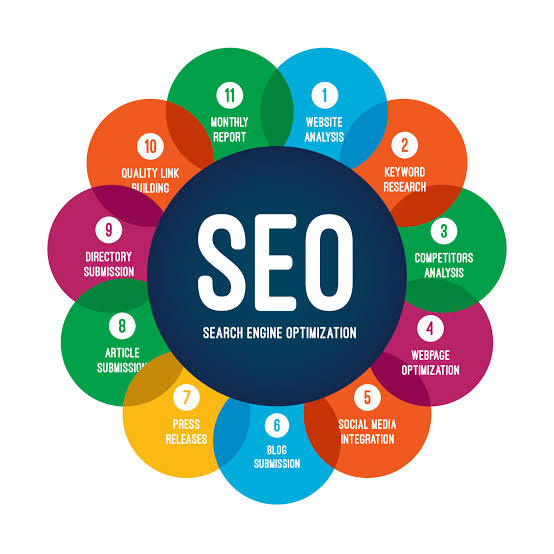
Modern websites need more than attractive designs and useful information to succeed online. With millions of pages competing for attention, businesses must make sure their websites can be discovered by search engines and potential customers. This is where search search engine optimization engine optimization plays an important role. A well-planned SEO strategy can improve visibility, attract relevant visitors, and create a stronger foundation for long-term online growth.
Search engine optimization is not simply about adding keywords to webpages. It involves improving website structure, content quality, technical performance, user experience, and online authority. As search technology continues to evolve, modern websites need a balanced approach that focuses on both search engines and real users.
Understand Search Intent
One of the most important elements of modern SEO is understanding search intent. People use search engines for different reasons. Some want quick information, while others are comparing products, researching services, or preparing to make a purchase.
Before creating content, website owners should determine what users are actually looking for. Informational searches may require detailed guides, while commercial searches may benefit from product comparisons, service pages, or case studies. Matching content with search intent makes webpages more useful and can improve their ability to attract qualified visitors.
Create Helpful and Original Content
Content remains a major part of search engine optimization. However, modern websites should focus on creating genuinely useful material instead of publishing large amounts of repetitive text.
Effective content should answer questions, explain topics clearly, and provide information that readers can use. Articles, landing pages, product descriptions, tutorials, FAQs, and industry resources can all contribute to a strong content strategy.
Originality is equally important. Rather than rewriting information found elsewhere, businesses should add their own insights, examples, research, experiences, or explanations. Useful content has a better chance of earning attention, engagement, references, and natural links.
Optimize Website Structure
A clear website structure helps both visitors and search engines understand how different pages are connected. Important pages should be easy to reach through logical navigation.
Businesses can organize content into relevant categories and create a hierarchy that makes sense. Internal links can also connect related pages and guide users toward additional information.
For example, a website selling digital marketing services might have a main SEO page connected to specialized pages covering technical SEO, content optimization, local SEO, and link building. This structure makes the website easier to navigate while helping search engines understand its topical relationships.
Focus on Technical SEO
Technical SEO is another essential component of modern website optimization. Even excellent content may struggle to perform if search engines have difficulty accessing or understanding a website.
Technical optimization can include improving website speed, fixing broken links, creating an XML sitemap, managing redirects, resolving duplicate-content issues, and ensuring important pages can be crawled and indexed.
Website owners should also monitor indexing problems and regularly review their technical setup. As websites grow, new pages, plugins, scripts, and design changes can introduce issues that may affect search visibility.
Make Websites Mobile-Friendly
Mobile usability is essential because many people access websites through smartphones and tablets. A website that looks excellent on a desktop but performs poorly on smaller screens can create a frustrating experience.
Modern websites should use responsive designs that automatically adjust to different screen sizes. Text should remain readable, navigation should be simple, and important buttons should be easy to use.
Mobile optimization also contributes to a better overall user experience. Businesses should regularly test their websites on different devices to identify layout, speed, or usability problems.
Improve Page Experience and Speed
Website performance can strongly influence how users interact with a webpage. Slow-loading pages may cause visitors to leave before they read the content or complete an action.
Improving performance can involve compressing images, reducing unnecessary scripts, using efficient hosting, optimizing code, and implementing browser caching. Developers should also pay attention to important user-experience signals related to loading performance, visual stability, and interaction responsiveness.
A faster website does not only benefit SEO. It can also improve engagement, accessibility, and conversions.
Use Keywords Naturally
Keywords remain useful because they help communicate the subject of a webpage. However, modern SEO requires natural keyword usage rather than excessive repetition.
A primary keyword can be included in strategic areas such as the page title, main heading, introduction, URL, and relevant subheadings when appropriate. Related phrases and supporting terms can also help provide context.
The goal should be to create content that reads naturally. Repeating the same phrase unnecessarily can make an article difficult to read and may weaken its overall quality.
Optimize Titles and Meta Descriptions
Page titles and meta descriptions provide important information about webpage content. A clear title can help users understand what a page offers before they visit it.
Each important page should have a relevant and descriptive title. Meta descriptions should provide a concise summary that encourages the right audience to explore the page.
Instead of using generic descriptions across an entire website, businesses should create unique metadata that accurately represents each page.
Build High-Quality Backlinks
Authority is another important part of search engine optimization. Links from reputable and relevant websites can help strengthen a site’s credibility and visibility.
Modern link building should prioritize quality over quantity. Businesses can earn links by publishing valuable research, creating useful resources, contributing expert insights, developing original statistics, and building relationships within their industry.
Low-quality or irrelevant link-building practices can create risks. A sustainable strategy focuses on earning meaningful references from websites that are relevant to the business or topic.
Strengthen Internal Linking
Internal linking is often overlooked, but it can provide significant benefits. Links between related pages help users discover additional resources while giving search engines more context about website content.
Businesses should identify important pages and connect them naturally from relevant articles and service pages. Descriptive anchor text can make these links more understandable.
A strong internal linking structure can also distribute attention across a website and help visitors move smoothly through related information.
Optimize for Local Searches
For businesses serving specific geographic areas, local SEO can be an important part of a modern search strategy. Location-focused pages, accurate business information, customer reviews, and locally relevant content can help businesses reach nearby audiences.
Local optimization should provide genuine value rather than simply repeating city names throughout webpages. Businesses should clearly explain their services, service areas, locations, and customer benefits.
Monitor Performance and Adapt
SEO is an ongoing process rather than a one-time project. Search trends, competitors, user behavior, and search engine systems can change over time.
Website owners should monitor organic traffic, rankings, conversions, indexing issues, and engagement metrics. Regular audits can reveal technical problems and opportunities for improvement.
The most successful strategies are flexible. Instead of relying on one tactic, businesses should analyze performance and adjust their approach based on reliable data.
Conclusion
Search engine optimization for modern websites requires a combination of quality content, technical reliability, strong website architecture, mobile usability, natural keyword targeting, authoritative links, and continuous improvement. The objective is not simply to achieve higher rankings but to build a website that provides genuine value to its audience.
By understanding search intent, publishing useful content, improving technical performance, strengthening internal and external links, and monitoring results, businesses can create a stronger online presence. Modern SEO works best as a long-term strategy that connects search visibility with a better experience for users.
When these essential strategies are applied consistently, a website can become easier to discover, more useful to visitors, and better positioned for sustainable growth in an increasingly competitive digital environment.