
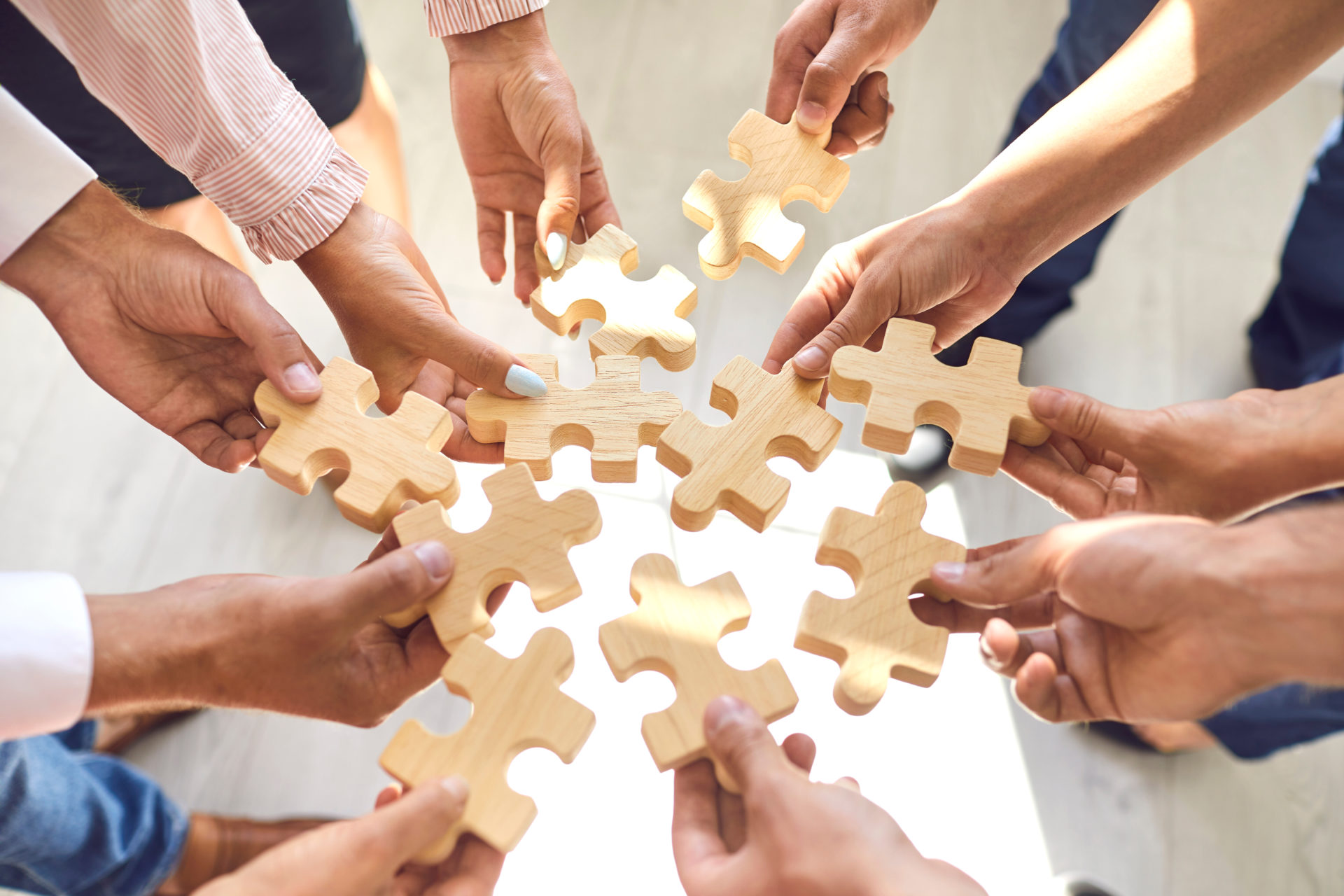
In today’s fast-paced modern work environment, organizations rely heavily on collaboration, adaptability, and shared purpose. A group of highly talented individuals working in isolation rarely reaches the same level of performance as a cohesive unit that operates with shared vision and mutual trust. Strategic team building acts as the bridge that connects individual talents into a high-performing collective. Investing time, energy, and resources into regular team building initiatives is no longer an optional luxury or a frivolous perk—it is an indispensable business strategy for organizational success and sustained employee engagement.
Fostering Open Communication and Transparency
Effective communication is the foundational cornerstone of every successful organization. Without clear and open lines of dialogue, misunderstandings arise, project timelines slip, and organizational goals become fragmented. Through targeted team building activities, employees are given opportunities to interact outside the rigid boundaries of daily tasks, performance metrics, and strict deadlines.
When team members engage in interactive team building exercises, they learn to express their ideas clearly, listen actively to their peers, and decode different communication styles. These informal interactions strip away professional intimidation and break down departmental silos. Over time, the communication habits formed during team building sessions carry over into the daily work environment, leading to faster problem resolution, fewer operational friction points, and an overall environment of openness and transparency.
Building Trust and Psychological Safety
A team cannot perform at its peak without mutual trust. Trust allows individual team members to express unconventional ideas, take calculated risks, seek constructive feedback, and admit mistakes without fear of judgment or retribution. This concept, often referred to as psychological safety, is cultivated directly through effective team building.
During structured team building scenarios, individuals are placed in situations where they must rely on one another to achieve a shared objective. Whether working together to solve a complex puzzle, participating in group challenges, or engaging in open discussions, these experiences reinforce the knowledge that team members have each other’s support. As trust deepens through regular team building, employees become far more comfortable sharing innovative solutions, seeking help when needed, and supporting their colleagues through challenging operational hurdles.
Enhancing Problem-Solving and Innovation
Innovation rarely happens in a vacuum. It emerges when diverse perspectives collide, collaborate, and refine ideas together. One of the greatest benefits of well-planned team building is its ability to unlock collective creativity and sharpen collaborative problem-solving capabilities.
Team building exercises frequently involve creative challenges that require out-of-the-box thinking and cooperative strategic planning. In these pressure-free environments, participants learn how to combine their individual strengths, weigh alternative viewpoints, and build upon one another’s ideas. By repeatedly practicing collective problem-solving through team building, teams build a mental muscle memory for working through real-world business challenges with greater agility, inventiveness, and efficiency.
Boosting Morale, Motivation, and Job Satisfaction
Employee engagement and morale are major drivers of overall workplace productivity. When employees feel disconnected, unappreciated, or isolated from their peers, burnout rates climb and productivity declines sharply. Implementing thoughtful team building programs serves as a powerful antidote to workplace fatigue and disengagement.
Recognizing Individual and Team Contributions
Team building offers an ideal platform to celebrate milestones, recognize personal and group accomplishments, and express appreciation for ongoing effort. When employees see their contributions recognized in a supportive setting, their sense of belonging and value within the organization grows exponentially.
Relieving Daily Stress and Preventing Burnout
Work responsibilities often bring stress and tight deadlines. Taking time out for refreshing team building activities provides a much-needed break from daily pressures. Re-energizing through engaging team building helps restore mental clarity, revitalizes enthusiasm, and equips employees to return to their daily tasks with renewed focus and energy.
Strengthening Organizational Culture and Alignment
An organization’s culture is not defined by its mission statement on a wall; it is shaped by the daily interactions, shared values, and collective behaviors of its workforce. Structured team building plays a vital role in reinforcing company culture and ensuring that every employee is aligned with overarching organizational goals.
Through team building programs, companies can actively model and practice core values such as respect, integrity, inclusivity, and continuous learning. When leadership actively participates alongside team members in team building efforts, it flattens hierarchies and establishes a culture of unity and mutual respect. This shared sense of identity encourages employees to view their work not merely as a job, but as an integral contribution toward a shared long-term mission.
Improving Remote and Hybrid Team Connectivity
The modern shift toward remote and hybrid work models presents unique challenges for maintaining team unity. Distance can lead to feelings of isolation, weaker interpersonal connections, and fragmented communication across dispersed teams. In this evolving digital landscape, virtual team building has become vital for maintaining team cohesion.
Virtual team building allows remote employees to connect on a human level beyond purely transactional video calls and email threads. Through virtual social events, interactive online games, and collaborative digital workshops, remote team building bridge physical distances and nurture a strong sense of community. Prioritizing regular team building in remote environments ensures that every employee, regardless of physical location, remains connected, supported, and fully engaged.
Maximizing Overall Productivity and Performance
Ultimately, every strategic initiative inside an organization aims to deliver measurable results. The cumulative benefits of team building—improved communication, deeper trust, enhanced problem-solving skills, higher morale, and strong cultural alignment—directly translate into superior productivity and business performance.
When employees trust one another and communicate effortlessly, project workflows run smoother, decision-making becomes faster, and friction decreases. Time previously lost to miscommunications, internal disputes, or disengagement is instead directed toward achieving strategic objectives. Organizations that consistently invest in comprehensive team building consistently outperform their competitors, proving that a strong, united team is the ultimate competitive advantage.
Conclusion
Building a strong, resilient, and highly productive team is not an event that happens by chance; it requires intentional, continuous investment. Team building is the catalyst that transforms a group of individual workers into a synchronized, high-achieving team. By cultivating trust, enhancing communication, nurturing creativity, and boosting overall employee satisfaction, team building lays the necessary foundation for sustained organizational success. Organizations that prioritize and continuously integrate team building into their ongoing strategy create an environment where both individuals and the business can thrive.