
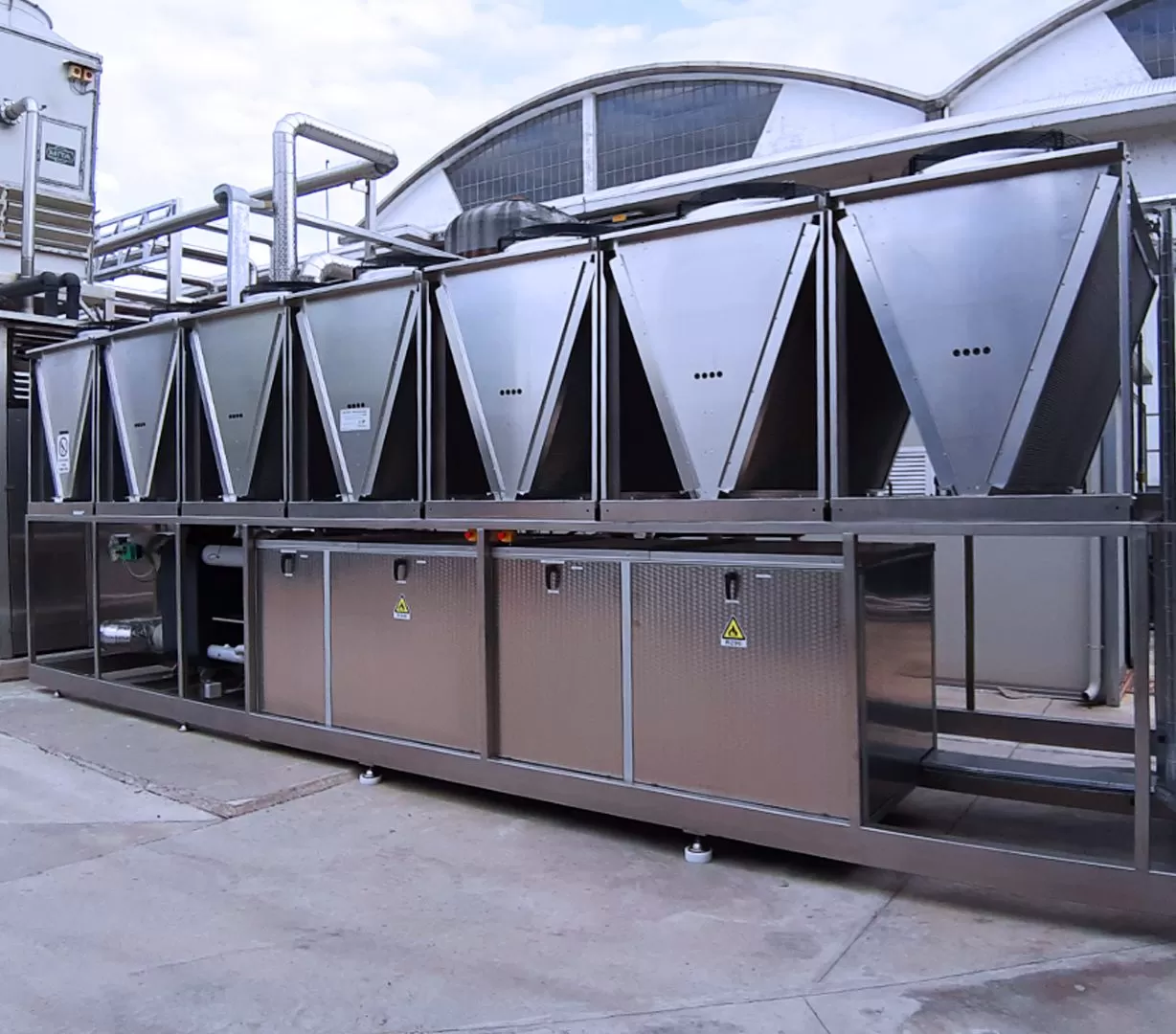
Propane chillers are increasingly being adopted in industrial and commercial cooling applications due to their energy efficiency and eco-friendly nature. However, like any mechanical system, they require regular maintenance to ensure optimal performance, longevity, and safety. Proper upkeep not only maximizes efficiency but also prevents unexpected breakdowns that can disrupt operations. In this article, we will explore essential maintenance tips for propane chillers and explain how following them can enhance system reliability and reduce operational costs.
Understanding the Importance of Regular Maintenance
Propane chillers operate under high pressures and rely on precise thermodynamic processes to provide consistent cooling. Over time, dust, debris, wear and tear, and chemical reactions can affect their efficiency. Unlike conventional chillers that use synthetic refrigerants, propane-based systems require careful handling due to the flammable nature of the refrigerant. Regular maintenance ensures that the system remains safe, compliant with regulations, and capable of delivering consistent performance. Ignoring maintenance can lead to reduced cooling capacity, higher energy bills, and in severe cases, hazardous leaks.
Routine Inspection of System Components
A comprehensive maintenance program begins with routine inspection. Each component of the propane chiller should be carefully checked for signs of wear, corrosion, or damage. The key areas to focus on include compressors, condensers, evaporators, expansion devices, and piping systems. Checking for leaks is especially critical in propane chillers due to the flammable properties of the refrigerant. Using leak detectors specifically designed for hydrocarbons can prevent potential safety hazards and costly refrigerant loss.
Monitoring and Maintaining Refrigerant Levels
Propane chillers rely on a precise amount of refrigerant to operate efficiently. Low or excess refrigerant levels can reduce cooling efficiency, cause compressor strain, and increase energy consumption. Regularly monitoring refrigerant charge and adjusting it to manufacturer specifications is vital. Technicians should follow strict safety protocols when handling propane refrigerants, including proper ventilation, protective gear, and adherence to local regulations.
Cleaning Heat Exchangers and Condensers
Heat exchangers and condensers play a critical role in transferring heat efficiently. Over time, dust, dirt, and other debris can accumulate on the surfaces, reducing heat transfer efficiency and increasing energy consumption. Regular cleaning with appropriate brushes or chemical cleaning agents ensures that these components maintain optimal performance. Additionally, inspecting for scaling or corrosion can prevent long-term damage and maintain consistent cooling output.
Lubrication of Moving Parts
Compressors and pumps in propane chillers contain moving parts that require proper lubrication. Insufficient lubrication can lead to increased friction, overheating, and premature failure. Maintenance routines should include checking oil levels, replacing contaminated lubricants, and following manufacturer guidelines for lubrication intervals. Using the correct type of oil compatible with propane systems is essential for preventing chemical incompatibility or degradation.
Checking Electrical Connections and Controls
Electrical systems in propane chillers are responsible for controlling temperature, pressure, and system safety. Loose or corroded electrical connections can lead to erratic operation or system shutdowns. Regular inspection of wiring, relays, sensors, and control panels is essential. Ensuring that all control systems are calibrated and functioning correctly helps prevent unexpected downtime and ensures accurate temperature regulation.
Ensuring Proper Airflow and Ventilation
Propane chillers often rely on air-cooled condensers or fans to maintain system temperature. Blocked airflow due to accumulated dust, debris, or improper placement can lead to overheating and reduced efficiency. Regular inspection and cleaning of air intake and exhaust areas help maintain proper ventilation. In addition, confirming that fan motors operate smoothly and efficiently is critical for optimal system performance.
Monitoring System Pressure and Temperature
Maintaining the correct operating pressure and temperature is vital for propane chillers. Deviations from recommended levels can indicate underlying issues such as leaks, blockages, or mechanical problems. Regular monitoring using calibrated gauges and sensors allows technicians to detect anomalies early and prevent potential system failure. Implementing automated monitoring solutions can further enhance safety and reduce the need for manual checks.
Addressing Corrosion and Material Degradation
Propane chillers often operate in environments where moisture and chemicals can accelerate corrosion. Inspecting for rust, pitting, or material degradation in piping, tanks, and other metal components is crucial. Applying protective coatings or replacing affected parts helps maintain system integrity and prevents leaks or mechanical failure. Paying attention to corrosion not only improves safety but also extends the service life of the chiller.
Implementing a Preventive Maintenance Schedule
The most effective way to maintain propane chillers is through a preventive maintenance schedule. This involves performing routine inspections, cleaning, lubrication, and system checks at regular intervals. Documenting all maintenance activities and observations helps track performance trends and anticipate potential issues. Preventive maintenance reduces the likelihood of unexpected breakdowns, ensures energy-efficient operation, and complies with safety and environmental standards.
Training and Safety Protocols for Technicians
Handling propane requires specialized knowledge and safety awareness. Technicians should receive comprehensive training on refrigerant handling, system troubleshooting, emergency procedures, and the use of personal protective equipment (PPE). Adhering to strict safety protocols during maintenance reduces the risk of accidents, refrigerant leaks, and fire hazards. A well-trained maintenance team ensures that propane chillers operate safely and efficiently over their lifespan.
Upgrading Components and Software
Modern propane chillers may include advanced controls, variable-speed compressors, and energy management systems. Regularly updating software and replacing outdated components can improve efficiency and reliability. Upgrades may also provide better diagnostics, remote monitoring, and improved energy performance. Investing in modernization not only enhances operational efficiency but also extends the useful life of the equipment.
Conclusion
Maintaining propane chillers requires a combination of routine inspections, proper handling of refrigerants, cleaning, lubrication, and safety-conscious practices. By implementing a comprehensive preventive maintenance program, businesses can ensure reliable operation, energy efficiency, and safety. Paying attention to system components, monitoring performance, and training personnel are all key elements of effective maintenance. With consistent care, propane chillers can deliver optimal cooling performance, reduce operational costs, and provide a sustainable solution for modern industrial and commercial applications. Following these tips ensures that your propane chillers remain safe, efficient, and dependable for years to come.