
Introduction to Ayrshire Cattle
Ayrshire cattle are one of the most respected dairy breeds in the world, known for their exceptional milk quality, adaptability, and strong constitution. Originating from Scotland, this breed has gained popularity across various countries due to its efficiency in milk production and ability to thrive in diverse climates. Farmers and dairy enthusiasts value Ayrshire cattle for their balance of productivity and resilience, making them an excellent choice for both small-scale and commercial dairy operations.
History and Origin of Ayrshire Cattle
The history of Ayrshire cattle dates back to the 18th century in the county of Ayr in Scotland. The breed was developed by crossing local cattle with other European breeds to improve milk yield and hardiness. Over time, selective breeding refined the characteristics of Ayrshire cattle, resulting in the strong, productive animals we see today. Their ability to adapt to different environments helped them spread to countries like the United States, Canada, Australia, and parts of Asia.
Physical Characteristics of Ayrshire Cattle
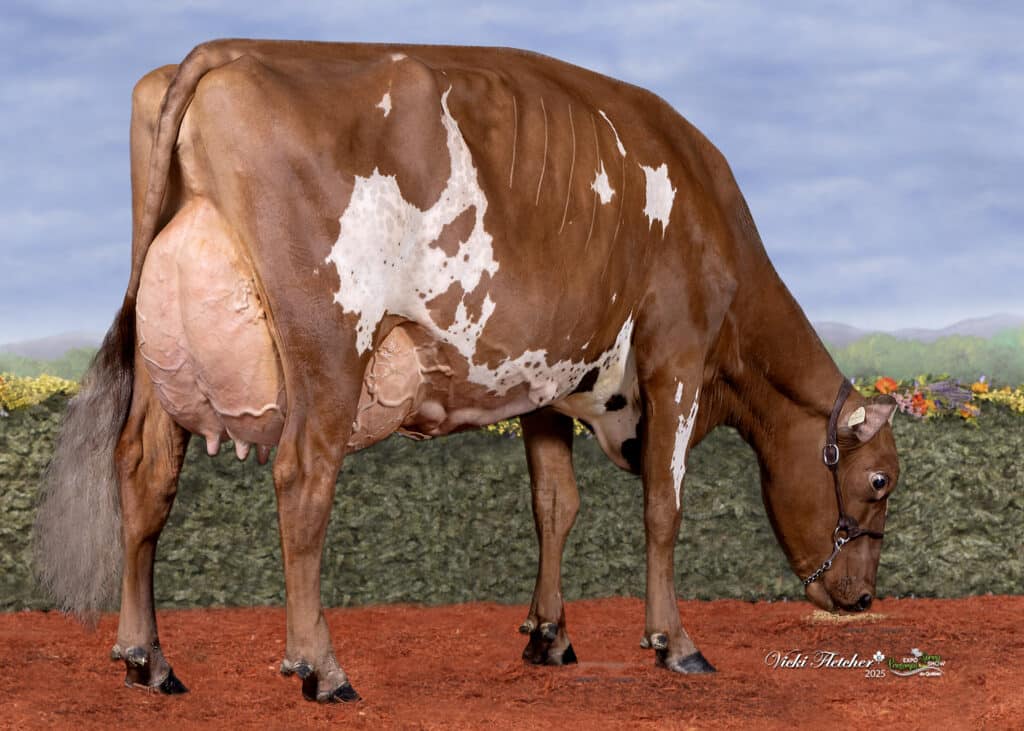
Ayrshire cattle are easily recognizable due to their distinct appearance. They typically have a red and white coat, with variations ranging from light orange to deep mahogany. Their bodies are well-proportioned, medium in size, and built for efficiency rather than bulk.
These cattle have strong legs and well-formed udders, which are essential for dairy production. Their horns are usually lyre-shaped, although many farmers prefer dehorned animals for safety reasons. Overall, Ayrshire cattle are known for their sturdy build and attractive markings.
Milk Production and Quality
One of the main reasons farmers choose Ayrshire cattle is their excellent milk production. These cows produce a moderate to high quantity of milk with a well-balanced composition of fat and protein. The milk from Ayrshire cattle is particularly valued for its quality, making it ideal for producing butter, cheese, and other dairy products.
Compared to some high-yield breeds, Ayrshire cattle may produce slightly less volume, but their efficiency and lower maintenance requirements often make up for it. Their milk is also known for having smaller fat globules, which aids in digestion and improves processing quality.
Benefits of Raising Ayrshire Cattle
There are several advantages to raising Ayrshire cattle, which make them a preferred choice for many farmers.
Adaptability
Ayrshire cattle are highly adaptable and can thrive in a wide range of climates, from cold regions to warmer environments. This makes them suitable for farmers in different parts of the world.
Strong Health and Longevity
These cattle are known for their robust health and resistance to common diseases. Ayrshire cattle tend to have longer productive lives, which reduces replacement costs and increases overall profitability.
Efficient Feed Conversion
Ayrshire cattle are efficient grazers and can convert feed into milk effectively. They perform well on pasture-based systems, making them a cost-effective option for farmers who rely on natural grazing.
Ease of Calving
Another benefit of Ayrshire cattle is their relatively easy calving process. This reduces stress on both the cow and the farmer, leading to healthier calves and fewer complications.
Feeding and Nutrition Requirements
Proper nutrition is essential for maintaining the productivity and health of Ayrshire cattle. A balanced diet typically includes high-quality forage such as grass or silage, supplemented with grains and minerals when necessary.
These cattle perform exceptionally well on pasture, but during periods of low forage availability, farmers should provide additional feed to maintain milk production. Clean water and mineral supplements are also crucial for their overall well-being.
Housing and Management
Ayrshire cattle do not require overly complex housing systems, but they do benefit from clean, comfortable environments. Proper ventilation, dry bedding, and protection from extreme weather conditions are important factors in maintaining their health.
Regular cleaning of barns and milking areas helps prevent infections and ensures the quality of milk. Farmers should also provide enough space for movement, as overcrowding can lead to stress and reduced productivity.
Health Care and Maintenance
Maintaining the health of Ayrshire cattle involves routine veterinary care, vaccinations, and regular monitoring. Although they are generally hardy, preventive care is still essential.
Hoof trimming, parasite control, and proper hygiene practices are key components of their maintenance. Early detection of any health issues can prevent serious problems and ensure the longevity of the herd.
Breeding and Reproduction
Ayrshire cattle are known for their good fertility and reproductive performance. They reach maturity at a reasonable age and have a consistent calving cycle.
Selective breeding can further improve desirable traits such as milk yield, udder quality, and disease resistance. Farmers often use artificial insemination to enhance genetic quality and maintain the breed’s standards.
Economic Value of Ayrshire Cattle
From an economic perspective, Ayrshire cattle offer a balanced approach to dairy farming. Their combination of moderate milk production, low maintenance costs, and long productive lifespan makes them a profitable investment.
In addition to milk, these cattle can also provide value through breeding stock and, in some cases, meat production. Their versatility adds to their appeal among farmers looking for sustainable and reliable livestock.
Challenges of Raising Ayrshire Cattle
While Ayrshire cattle have many advantages, there are also some challenges to consider. Their milk yield may not match that of high-producing breeds like Holsteins, which can be a factor for large-scale commercial farms focused solely on volume.
Additionally, proper management and nutrition are still necessary to achieve optimal performance. Without adequate care, even hardy breeds like Ayrshire cattle may experience reduced productivity.
Conclusion
Ayrshire cattle are a dependable and efficient dairy breed that offers numerous benefits to farmers. Their adaptability, strong health, and high-quality milk make them an excellent choice for a variety of farming systems. With proper care, nutrition, and management, Ayrshire cattle can provide consistent returns and contribute to a successful dairy operation.