
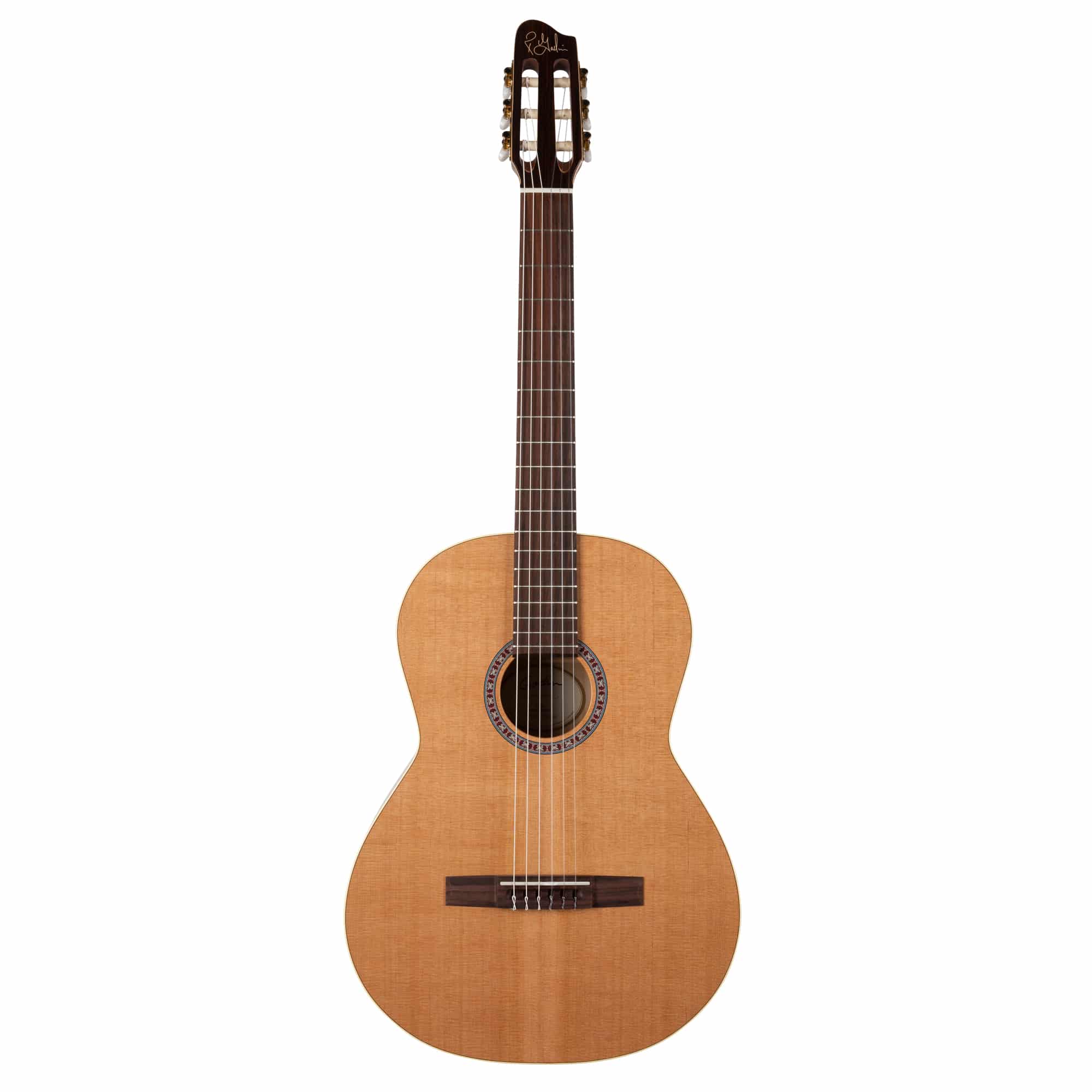
Guitar playing has always been an art that blends creativity, practice, and an understanding of music theory. For decades, learning to play the guitar relied on a combination of sheet music, chord charts, personal lessons, and hours of trial and error. However, technology is transforming the way musicians approach learning, practicing, and performing. At the forefront of this transformation is AI guitar chord recognition, a revolutionary tool that promises to change the way guitarists interact with music.
Understanding AI Guitar Chord Recognition
AI guitar chord recognition refers to software systems that can automatically identify the chords being played on a guitar in real time or from a recorded piece. These systems utilize advanced algorithms, machine learning, and audio signal processing to detect chord structures from the sound waves of a guitar. Unlike traditional chord dictionaries or static chord charts, AI can adapt to different playing styles, tunings, and even non-standard chord variations. This capability allows musicians to analyze complex pieces and learn them more efficiently.
The power of AI guitar chord recognition lies in its ability to recognize not only simple chords like G, C, or D major but also complex jazz chords, suspended chords, and variations that might be difficult for beginners to identify. It bridges the gap between a guitarist’s ear and their fingers, providing instant feedback and enhancing learning through an intuitive process.
How AI Changes the Guitar Learning Experience
Traditional guitar learning methods can be time-consuming. Players often need to pause, rewind, or slow down recordings to figure out what chord is being played. This is especially challenging for songs found on platforms like YouTube, where the audio may be mixed with other instruments. AI guitar chord recognition simplifies this process by allowing musicians to get chords from YouTube video directly. By uploading a video or inputting a link, the AI analyzes the audio and outputs the chord progression in real time.
This opens up new possibilities for self-taught musicians who want to learn popular songs without relying on tablature or sheet music. It also provides a tool for educators to create dynamic lessons based on real songs, making practice more engaging and practical.
The Technology Behind AI Guitar Chord Recognition
AI guitar chord recognition relies on a combination of signal processing, neural networks, and machine learning models trained on vast datasets of guitar sounds. The process typically involves several steps:
- Audio Capture: The AI system captures the audio from a live guitar, recorded track, or video source.
- Feature Extraction: The system analyzes the audio waveform to extract relevant features such as pitch, harmonics, and frequency patterns.
- Chord Identification: Using trained neural networks, the AI maps the detected audio features to specific chord structures.
- Output: The recognized chords are displayed in a readable format, often showing the chord name, fingering, and timing.
Some advanced AI systems can even detect the rhythm, strumming pattern, and capo position, providing a more complete representation of the song. This level of sophistication ensures that the chords identified are accurate and useful for practice or performance.
Practical Applications for Guitarists
AI guitar chord recognition is not just a futuristic concept; it has practical applications that enhance the daily life of guitarists:
- Learning New Songs: Players can quickly get chords from YouTube video, making it easier to learn favorite songs without spending hours figuring out the chords by ear.
- Improvisation and Composition: AI can analyze chord progressions and suggest complementary chords or variations, helping musicians compose original music or improvise during jam sessions.
- Practice Efficiency: By receiving instant chord feedback, learners can correct mistakes in real time and focus on mastering difficult transitions.
- Collaboration: Musicians can share AI-generated chord progressions with bandmates or online communities, streamlining the collaborative process.
These applications are particularly valuable in today’s digital music environment, where musicians often work independently and rely on online resources for learning and inspiration.
Advantages Over Traditional Methods
Compared to conventional methods, AI guitar chord recognition offers several distinct advantages:
- Speed: Chords can be identified instantly from any audio source.
- Accuracy: AI can detect subtle chord variations that might be missed by the human ear.
- Accessibility: Beginners can access advanced chord recognition without formal training.
- Adaptability: The system can handle different playing styles, tunings, and genres.
Moreover, the ability to get chords from YouTube video expands the resources available to musicians, providing a virtually limitless library of material for practice and exploration.
Challenges and Considerations
While AI guitar chord recognition is powerful, it is not without challenges. Polyphonic music, where multiple instruments play simultaneously, can make chord detection more difficult. Background noise, low-quality recordings, or unconventional playing techniques may also affect accuracy.
Another consideration is the learning experience itself. While AI tools accelerate chord recognition, they should complement traditional practice rather than replace it entirely. Developing ear training, finger dexterity, and musical intuition remains crucial for any serious guitarist.
The Future of Guitar Learning
The integration of AI into guitar education is only beginning. Future advancements may include real-time chord correction during practice, adaptive learning platforms that suggest exercises based on performance, and AI-assisted composition tools that provide creative input for songwriting.
AI guitar chord recognition also has the potential to democratize music education. Aspiring guitarists around the world can access high-quality chord analysis and tutorials without the need for private lessons or expensive courses. This could lead to a new generation of musicians who learn more efficiently and creatively than ever before.
Conclusion
AI guitar chord recognition represents a major leap forward in the way we interact with music. By combining machine learning, audio analysis, and intuitive interfaces, it allows guitarists to learn, practice, and compose with unprecedented speed and accuracy. The ability to get chords from YouTube video directly makes popular music more accessible, empowering both beginners and seasoned players.
As technology continues to evolve, AI will likely become an indispensable companion for guitarists, transforming the learning experience and inspiring creativity in ways that were once unimaginable. For anyone passionate about playing the guitar, embracing AI tools today is not just about convenience—it’s about stepping into the future of music itself.
The world of guitar playing is evolving, and AI guitar chord recognition is leading the way, making learning more interactive, efficient, and accessible than ever before.