
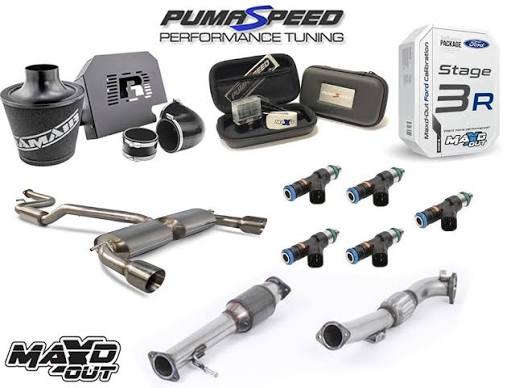
Automotive tuning has become an exciting way for car enthusiasts to personalize their vehicles, improve performance, and create a more enjoyable driving experience. From simple cosmetic upgrades to advanced engine modifications, tuning parts offer many opportunities to transform an ordinary car into something that reflects an owner’s individual preferences. However, choosing the right components requires an understanding of vehicle compatibility, performance goals, safety, and maintenance.
Whether someone wants a sportier appearance, better handling, improved engine response, or a more comfortable driving experience, learning about different tuning parts is an important first step. This guide explores the most common automotive upgrades and explains how enthusiasts can make informed decisions when modifying their vehicles.
Understanding Automotive Tuning Parts
Tuning parts are aftermarket components designed to modify a vehicle’s appearance, functionality, performance, or driving characteristics. These products can replace original equipment or work alongside existing systems to achieve specific improvements.
Some modifications focus primarily on aesthetics, while others target mechanical performance. For example, upgraded wheels can change a car’s overall appearance, whereas suspension components can influence handling and ride quality. Engine management upgrades may also improve responsiveness when properly configured for a particular vehicle.
The best approach to tuning begins with a clear objective. Drivers should decide whether their priority is everyday comfort, visual customization, track-oriented performance, or a balanced combination of these features.
Engine Performance Upgrades
Engine-related tuning parts are popular among enthusiasts who want to improve acceleration, throttle response, or overall engine efficiency. However, every engine has specific limitations, and modifications must be selected according to the vehicle’s design.
Air Intake Systems
An aftermarket air intake system can change how air enters an engine. Depending on its design, it may improve airflow or produce a more noticeable engine sound. The actual performance benefit varies according to the vehicle, intake configuration, and other modifications.
When selecting an intake, buyers should consider filtration quality, heat protection, installation requirements, and compatibility with the engine management system. An unsuitable design may draw hot air from the engine compartment or allow contaminants to enter the engine.
Exhaust System Components
Exhaust upgrades are another common choice for automotive enthusiasts. Performance-oriented exhaust components can alter sound, reduce certain flow restrictions, and potentially contribute to improved engine output when matched with other appropriate modifications.
Different exhaust systems produce different sound characteristics, ranging from subtle improvements to more aggressive tones. Drivers should consider noise regulations, emissions requirements, material quality, and long-term durability before purchasing an exhaust upgrade.
Engine Control Unit Tuning
An engine control unit, commonly called an ECU, manages important engine functions such as fuel delivery, ignition timing, and, in many modern vehicles, turbocharger operation.
ECU tuning modifies selected operating parameters to suit a particular engine configuration. When performed professionally, it may improve throttle response and power delivery. However, poorly calibrated software can increase mechanical stress, fuel consumption, or operating temperatures.
For this reason, ECU modifications should be matched to the vehicle’s hardware and assessed by qualified professionals.
Suspension and Handling Components
Performance is not only about engine power. Suspension and handling upgrades can influence how a vehicle responds to corners, uneven roads, and changes in direction.
Lowering Springs and Coilovers
Lowering springs reduce a vehicle’s ride height, creating a different stance and potentially changing handling characteristics. Coilover systems combine springs and dampers, with some designs allowing adjustments to ride height or damping.
These components should be selected carefully because excessive lowering can reduce ground clearance, compromise suspension travel, and create tire-clearance problems. A suitable setup balances appearance, road conditions, comfort, and control.
Performance Dampers
Shock absorbers and struts help manage suspension movement and maintain tire contact with the road. Upgraded dampers may offer improved control when matched correctly with the vehicle’s springs and intended use.
Enthusiasts should avoid assuming that the firmest suspension is automatically the best. A well-balanced system can provide predictable handling without making everyday driving unnecessarily uncomfortable.
Anti-Roll Bars
Anti-roll bars help manage body movement during cornering. Upgraded components can change how weight transfers between the wheels and influence a vehicle’s handling balance.
Professional installation and appropriate component selection are important because changes to suspension balance can affect vehicle behavior in unexpected ways.
Wheels and Tires
Wheels and tires are among the most noticeable tuning upgrades. They influence styling, grip, braking behavior, ride comfort, and the overall driving experience.
Choosing Suitable Wheels
Aftermarket wheels are available in numerous designs, finishes, diameters, and widths. Before purchasing them, drivers should check the correct bolt pattern, offset, load rating, center bore, and clearance requirements.
Wheel weight can also influence handling and acceleration characteristics. Nevertheless, appearance should never take priority over structural quality or compatibility.
Selecting Performance Tires
Tires provide the contact between a vehicle and the road, making them essential for safe performance. Different tire designs are intended for varying climates, driving conditions, and usage patterns.
Summer tires, all-season tires, and winter tires have different strengths and limitations. The appropriate option depends on local weather, road conditions, and the manufacturer’s recommendations.
Maintaining correct tire pressure, sufficient tread depth, and proper wheel alignment is equally important after installing new wheels or suspension components.
Brake System Upgrades
Braking performance deserves careful attention whenever other vehicle systems are modified. Additional engine power or more demanding driving conditions may place greater demands on the braking system.
Potential upgrades include performance brake pads, improved rotors, suitable brake fluid, and upgraded calipers where appropriate. However, larger or more expensive components do not automatically provide better results in every situation.
Brake parts must be compatible with the vehicle and intended driving conditions. Proper installation, regular inspections, and correct fluid maintenance help preserve reliable braking performance.
Drivers should consult a qualified technician before making significant changes to their braking systems.
Exterior Styling and Body Modifications
Many enthusiasts use exterior tuning parts to give their vehicles a distinctive appearance. These modifications range from subtle design improvements to comprehensive body transformations.
Bodykits and Aerodynamic Components
Bodykits may include front bumpers, rear bumpers, side skirts, and other exterior panels. They can create a sportier appearance while helping establish a consistent design theme.
Spoilers, splitters, and diffusers are also popular additions. Their aerodynamic benefits depend on the design, installation, vehicle speed, and overall configuration. Not every decorative component produces a measurable performance improvement.
Buyers should prioritize proper fitment, durable materials, adequate ground clearance, and compliance with local vehicle regulations.
Lighting and Exterior Accessories
Updated lighting housings, mirror covers, trim pieces, and other accessories can personalize a vehicle without requiring extensive mechanical modifications.
Lighting upgrades must provide suitable visibility and avoid creating glare for other road users. Components should comply with applicable lighting standards and remain compatible with the vehicle’s electrical system.
Interior Tuning and Comfort
Interior modifications help create a more personalized driving environment. Popular options include improved steering wheels, upgraded seat upholstery, floor mats, trim accents, and multimedia accessories.
Enthusiasts should pay particular attention to ergonomics and safety. Seats, steering components, and accessories must not interfere with seat belts, airbags, pedals, or the driver’s visibility.
For everyday vehicles, comfort and practicality often provide greater long-term value than modifications designed exclusively for appearance.
How to Choose the Right Tuning Parts
Selecting appropriate components involves more than comparing prices or choosing products with attractive designs. A structured approach can reduce unnecessary expenses and prevent compatibility issues.
Define Your Goals
Begin by identifying the main purpose of the modification. Someone seeking a distinctive appearance may prioritize wheels and bodykits, while a driver interested in handling may focus on tires, suspension, and braking components.
Establishing priorities helps prevent purchases that do not contribute to the intended result.
Check Compatibility and Quality
Always verify the vehicle’s make, model, production year, engine variant, and existing modifications. Two vehicles that appear similar may require different components.
Research product materials, manufacturer specifications, warranty coverage, and installation requirements. Reliable documentation is more useful than unsupported claims about performance.
Consider the Total Cost
The purchase price is only one part of a tuning project. Installation, calibration, alignment, replacement parts, and additional maintenance can increase the total expense.
A realistic budget should include these associated costs. It is often better to install a smaller number of suitable components than to purchase several low-quality upgrades.
Installation, Maintenance, and Legal Considerations
Some cosmetic accessories are relatively straightforward to install, but mechanical modifications may require specialized tools and professional expertise.
Suspension work, brake upgrades, engine calibration, and other safety-critical changes should be handled by qualified technicians when appropriate. After installation, inspect the modified systems and complete any recommended alignment or calibration procedures.
Regular maintenance is equally important. Check fasteners, monitor tire wear, inspect suspension components, and follow the service intervals recommended for the modified vehicle.
Drivers should also review local regulations concerning exhaust noise, emissions, vehicle lighting, ride height, and roadworthiness. Insurance providers may need to be informed about certain modifications.
Conclusion
Tuning parts provide automotive enthusiasts with many opportunities to improve their vehicles’ appearance, handling, comfort, and performance. Engine upgrades, suspension components, wheels, tires, braking systems, bodykits, and interior accessories each serve different purposes.
The most successful projects begin with clear goals, careful research, and realistic budgeting. By prioritizing compatibility, component quality, professional installation, and road safety, enthusiasts can create vehicles that suit their individual preferences without overlooking reliability or everyday practicality.
Ultimately, automotive tuning is about finding the right balance between personal style and functional improvements. With thoughtful planning and responsible choices, even modest modifications can make a vehicle feel more distinctive and enjoyable to drive.