
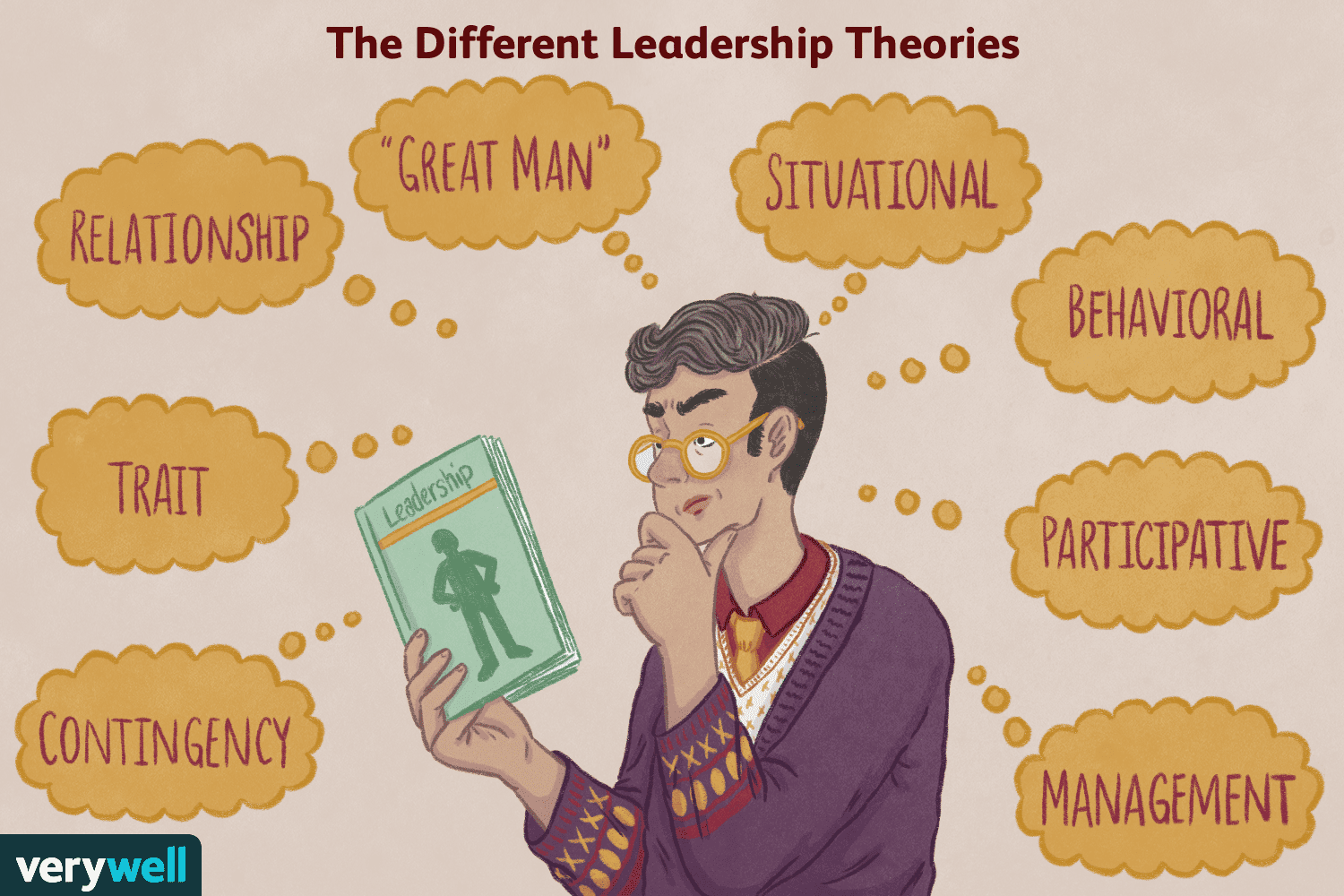
Leadership theories provide lenses for managers to guide teams, allocate resources, and drive performance. In today’s fast-paced markets, organizations lean on well-understood models to shape culture, strategy, and decision-making. Here is a concise look at what many leaders rely on to steer outcomes.
In this article, we explore the 5 most commonly used leadership theories in business and how they shape strategy, culture, and performance.
1. Trait theory
Trait theory suggests that certain inherent characteristics forecast leadership potential. In business, traits like resilience, integrity, and cognitive ability correlate with effective decision making and credible communication. However, trait theory has limitations: it can overlook context and development; not every strong trait translates into leadership success if the environment is not aligned. In practice, organizations assess leadership potential using competency frameworks, 360-degree feedback, and targeted development programs that cultivate relevant strengths while addressing gaps.
2. Behavioral theories
Behavioral theories focus on what leaders do rather than who they are. Task-oriented behaviors, such as clarifying goals and monitoring progress, can accelerate execution. People-oriented behaviors, like active listening and empathy, build trust and engagement. In busy companies, a balanced approach—combining clear direction with support—often yields sustainable results. Behavioral theories underpin training programs that emphasize communication routines, delegation, and accountability.
3. Situational leadership
Situational leadership posits that no single style fits all. Leaders adapt their approach to follower readiness, the task at hand, and the external pressures. In practice, this means shifting from directive coaching in early stages to empowering autonomy as teams gain competence. The model helps managers manage change, reduce resistance, and accelerate capability development. It also encourages ongoing assessment of team needs rather than rigid adherence to a single method.
4. Transformational leadership
Transformational leadership emphasizes vision, inspiration, and intellectual stimulation. Leaders motivate teams by articulating meaningful goals, modeling ethical behavior, and encouraging innovation. In business, transformational leaders often drive cultural shifts, attract top talent, and align individual purpose with organizational strategy. The payoff can include higher engagement, better collaboration, and a stronger sense of shared mission, especially during periods of rapid growth or disruption.
5. Servant leadership
Servant leadership centers on serving others—employees, customers, and stakeholders—before pursuing personal power. This approach builds psychological safety, increases retention, and fosters collaborative problem-solving. In practice, servant leaders solicit input, remove obstacles for their teams, and prioritize equitable outcomes. While not a one-size-fits-all method, many firms find that servant leadership complements performance metrics with a human-centric focus that sustains long-term results.
Across industries, the most successful organizations blend elements from several theories to fit their unique context. Leaders who understand the core ideas behind these frameworks can tailor their approach to employees’ needs, market dynamics, and strategic objectives.
For more resources on leadership and management best practices, visit the Marketries homepage.
 Admin
Admin