
Introduction
Nutritional science is continually exploring naturally derived compounds that may support healthy aging, cellular function, and overall wellness. One compound attracting increasing attention is urolithin A. Available in supplement formulations, including urolithin A powder, this postbiotic metabolite has become a subject of interest because of its relationship with mitochondrial health and cellular energy production.
Urolithin A is not simply another conventional vitamin or mineral. It is a compound produced by the gut microbiome from certain polyphenols found in foods such as pomegranates, berries, and nuts. However, not everyone produces meaningful amounts of urolithin A naturally. Differences in gut bacteria can influence how effectively the body converts dietary compounds into this metabolite. This has led researchers and supplement manufacturers to investigate ways of providing urolithin A directly.
What Is Urolithin A?
Urolithin A is a postbiotic compound that can be formed when particular gut microorganisms metabolize ellagitannins and ellagic acid. These substances occur naturally in several plant foods, particularly pomegranates.
The production of urolithin A depends partly on an individual’s gut microbiome. Some people have microbial communities capable of producing it efficiently, while others may produce little or none. This variability is one reason purified urolithin A has become interesting in nutritional research.
Rather than being classified as a traditional nutrient, urolithin A is better understood as a microbial metabolite. Researchers have been examining its biological activity, especially its potential relationship with mitochondrial maintenance.
Why Are Mitochondria Important?
Mitochondria are often described as the energy-producing structures within cells. They help convert nutrients into energy that cells can use for numerous biological processes. Because energy requirements are particularly high in tissues such as muscles, maintaining healthy mitochondrial function is an important part of normal physiology.
Cells have mechanisms for identifying and removing damaged mitochondria. One process associated with this quality-control system is called mitophagy, a specialized form of autophagy that helps clear damaged mitochondria.
Research into urolithin A has focused heavily on whether it can influence this process. Scientists are interested in whether supporting mitochondrial quality control could have broader implications for healthy aging and physical function.
Understanding Urolithin A Powder
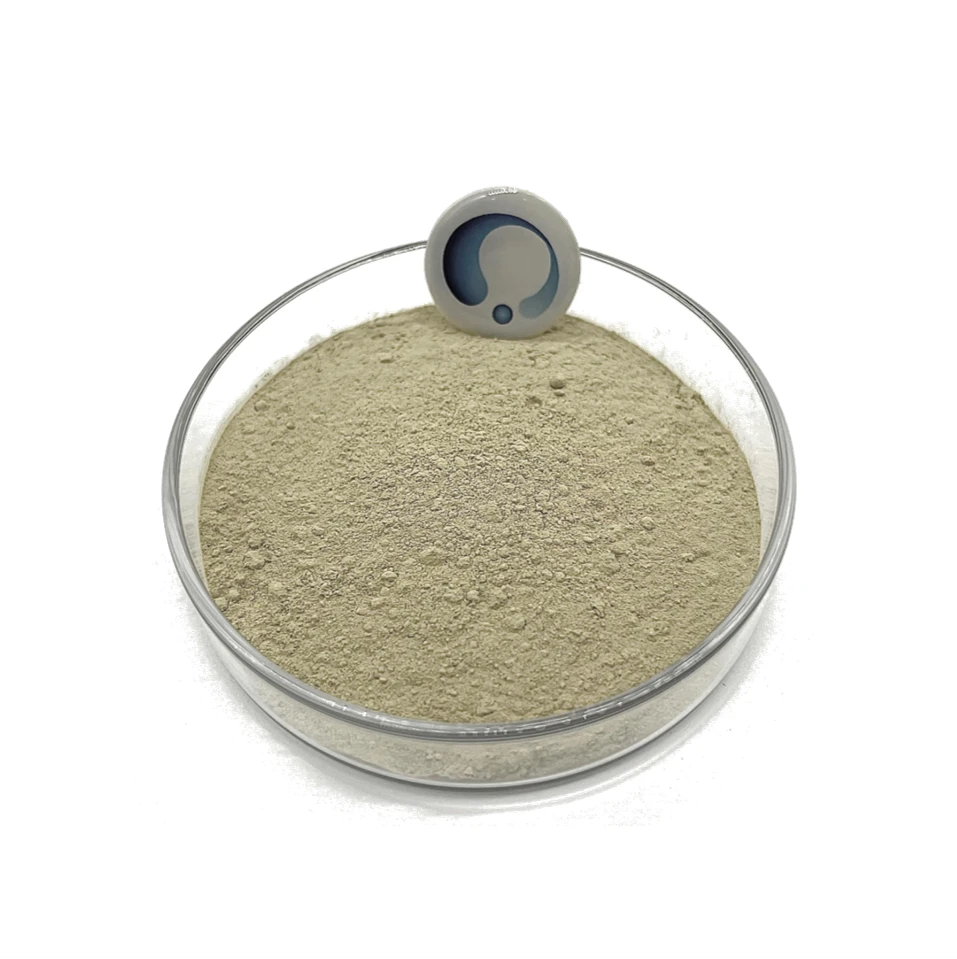
Urolithin A powder refers to a powdered form of purified urolithin A used as a raw ingredient or incorporated into nutritional supplement products. Depending on the manufacturer, the powder may be intended for further formulation rather than direct consumption.
The powder format can be useful for supplement manufacturers because it allows urolithin A to be incorporated into capsules, tablets, drink mixes, or other delivery systems. However, the quality of a powdered ingredient depends on factors such as purity, manufacturing practices, storage conditions, and testing.
Consumers should distinguish between a research ingredient and a finished dietary supplement. A high-purity raw powder may not have the same labeling, dosage instructions, or quality assurances as a commercially formulated product.
What Does Research Say About Urolithin A?
Interest in urolithin A has increased because laboratory and human studies have explored its potential effects on mitochondrial and muscle-related measures.
Some clinical research has investigated whether supplementation can influence biomarkers associated with mitochondrial health and muscle function. Results have generated interest, but they should not be interpreted as proof that urolithin A prevents disease, reverses aging, or produces dramatic improvements in physical performance.
Research is still developing. Different studies may use different participant populations, doses, durations, and outcome measures. Consequently, more long-term and large-scale research is needed to establish how meaningful supplementation may be for different groups of people.
This distinction is particularly important in the growing healthy-aging market, where preliminary scientific findings can sometimes be presented more strongly than the evidence supports.
Potential Areas of Interest
One reason urolithin A powder has attracted attention is its connection to several areas of nutritional and cellular research.
Mitochondrial Quality
Researchers are particularly interested in its possible role in mitochondrial quality-control pathways. Healthy mitochondria are important for cellular energy metabolism, and maintaining mitochondrial function becomes an increasingly studied topic as people age.
Muscle Function
Because skeletal muscle contains substantial numbers of mitochondria, researchers have explored whether urolithin A supplementation could support aspects of muscle health. Some human studies have examined measures related to muscle endurance and mitochondrial biomarkers.
Healthy Aging Research
Urolithin A is also being investigated as a potential nutritional tool for healthy aging. Rather than targeting a single disease, this area of research considers biological processes associated with maintaining physical function and cellular resilience over time.
It is important, however, to avoid treating an emerging compound as a proven anti-aging treatment. Aging is influenced by genetics, nutrition, physical activity, sleep, environment, and numerous other factors.
Food Sources and Natural Production
The human body does not simply obtain large amounts of urolithin A by eating foods that contain ellagitannins. Instead, certain foods provide precursor compounds that gut bacteria can transform into urolithin metabolites.
Pomegranates are one well-known dietary source of ellagitannins, while certain berries and nuts also contain related polyphenolic compounds. The actual amount of urolithin A produced can vary considerably from person to person because gut microbial composition differs.
This helps explain why researchers became interested in providing urolithin A directly rather than relying exclusively on dietary conversion.
Choosing a Quality Powder
Anyone researching urolithin A powder should pay attention to ingredient quality rather than relying solely on marketing claims. Important considerations can include identity testing, purity specifications, manufacturing standards, contaminant testing, and appropriate storage.
Third-party laboratory testing can provide additional information about whether an ingredient meets stated specifications. Buyers should also look for transparent labeling and reputable manufacturers.
For consumers, purchasing a finished product from a trustworthy supplement company may be more appropriate than experimenting with raw ingredients. Powdered research materials may not necessarily be designed or labeled for human consumption.
Safety and Responsible Use
Although early human research has provided useful information about urolithin A, questions remain regarding long-term supplementation across different populations. Anyone considering a concentrated nutritional compound should consider their individual circumstances and discuss supplementation with a qualified healthcare professional when appropriate.
It is also important not to assume that more is better. Nutritional compounds can have biological effects, and increasing an intake beyond studied amounts does not automatically provide additional benefits.
Pregnant or breastfeeding individuals, people taking medications, and those managing medical conditions should seek professional guidance before adding novel supplements to their routine.
The Future of Urolithin A Research
The future of urolithin A research is likely to focus on understanding its mechanisms, identifying who may benefit most, determining appropriate supplementation strategies, and evaluating longer-term outcomes.
Researchers may also learn more about how urolithin A interacts with exercise, diet, the gut microbiome, and other factors affecting mitochondrial health. Such research could help clarify whether supplementation provides meaningful benefits beyond those achievable through healthy lifestyle practices.
As interest grows, better-designed clinical trials will be especially valuable. Strong evidence can help distinguish genuine nutritional opportunities from exaggerated claims.
Conclusion
Urolithin A powder represents an interesting development in nutritional science and the broader field of healthy-aging research. As a postbiotic metabolite associated with gut microbial metabolism, urolithin A has attracted scientific attention for its potential relationship with mitochondrial quality control and muscle health.
However, it remains an emerging compound rather than a universal solution for aging or wellness. Understanding the difference between promising research and established health benefits is essential. For anyone considering urolithin A supplementation, product quality, responsible use, and professional guidance are important considerations.