
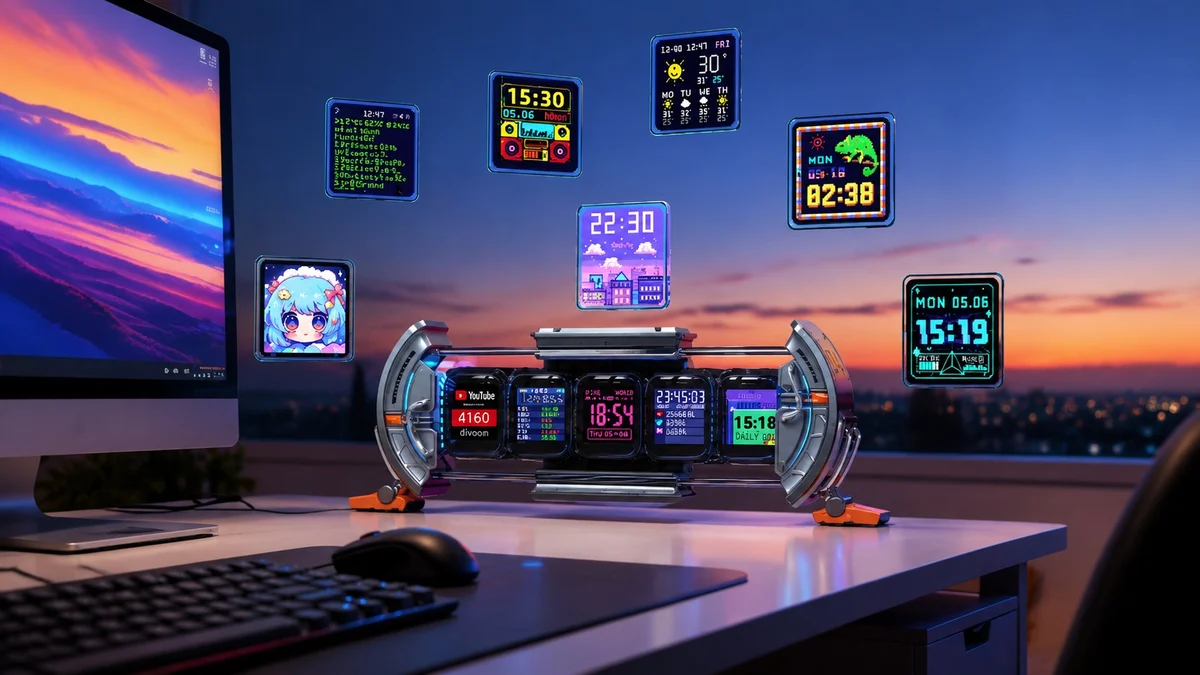
Technology is no longer limited to devices that perform practical tasks. For many modern users, digital products have become part of their personal style, workspace design, and creative expression. This shift is especially noticeable among people who enjoy customizing desks, gaming setups, home offices, bedrooms, and entertainment spaces. In this environment, Divoom displays are attracting attention because they combine digital functionality with colorful visual design and opportunities for personalization.
Rather than functioning as ordinary screens, these displays can become decorative technology that communicates information while adding character to a space. Their pixel-inspired appearance also connects modern smart technology with the nostalgic appeal of retro digital graphics. For creative tech users, that combination can make a display feel more expressive and engaging than a conventional information panel.
The Appeal of Visual Technology
One of the biggest reasons Divoom displays are interesting to creative users is their visual identity. Traditional digital displays generally prioritize readability and efficiency. While those qualities remain important, creative users may also want their technology to look attractive when it is sitting on a desk or shelf.
Pixel-based graphics offer a distinctive alternative. Bright icons, animated patterns, characters, symbols, and custom artwork can transform a small display into part of the room’s visual environment. This makes the technology useful even when the user is not actively checking information.
For designers, gamers, content creators, and technology enthusiasts, appearance can be just as important as functionality. A display that contributes to the atmosphere of a workspace can feel more personal than a generic monitor or clock.
Personalization Makes the Experience More Creative
Modern consumers increasingly expect their devices to reflect their preferences. Personalization can include colors, graphics, animations, notifications, and different information layouts. Divoom displays fit naturally into this trend by giving users opportunities to change what appears on the screen.
A creative user might choose a minimalist animation for a professional workspace, while another person may prefer colorful pixel artwork. Gamers can select designs that complement their gaming environment, and artists may use digital artwork that reflects their creative identity.
This flexibility changes the role of the display. Instead of being a fixed electronic product, it can become a continuously changing piece of digital décor.
Digital Art Meets Everyday Utility
One particularly interesting aspect of pixel displays is their ability to combine art with useful information. A screen can display decorative artwork while also providing practical details such as time, weather, reminders, or notifications, depending on the model and software ecosystem.
This combination is attractive because users do not necessarily have to choose between decoration and functionality. A product can contribute to the look of a desk while still serving a practical purpose.
For creative technology enthusiasts, that balance is valuable. Their workspace can remain visually interesting without becoming filled with devices that have no useful function.
A Strong Match for Modern Desk Setups
Desk setups have become an important part of online culture. Gamers, streamers, developers, designers, and remote professionals often spend considerable effort arranging their workspaces. Lighting, keyboards, speakers, monitors, plants, collectibles, and digital accessories can all contribute to a carefully designed environment.
Divoom displays can fit into these setups because they occupy relatively little visual space while adding a noticeable digital element. A small pixel display can sit beside a monitor, under a shelf, near a keyboard, or on another convenient surface.
The retro-inspired graphics can also complement RGB lighting and modern gaming hardware. This creates an interesting contrast between futuristic technology and classic pixel aesthetics.
Retro Style Continues to Influence Technology
Nostalgia plays a significant role in contemporary design. Pixel graphics remind many users of early video games, classic computers, handheld consoles, and older digital interfaces. At the same time, modern displays provide capabilities that were not available in those earlier technologies.
Divoom takes advantage of this contrast by presenting retro-inspired visuals through contemporary connected devices. The result can feel familiar and futuristic at the same time.
For younger users, pixel art can simply be an appealing visual style. For older technology enthusiasts, it may also evoke memories of earlier digital experiences. This broad appeal helps explain why pixel-based products can attract audiences beyond traditional gaming communities.
Useful for Gaming and Entertainment Spaces
Gaming environments are another area where expressive digital displays can make an impact. Gamers often customize their surroundings to create a particular atmosphere, and animated pixel graphics can contribute to that experience.
A display can show gaming-inspired artwork, characters, symbols, or changing animations. When combined with lighting and other accessories, it can help create a cohesive theme.
The same concept applies to entertainment rooms. Instead of relying exclusively on large screens, users can introduce smaller visual devices that provide ambient decoration. This creates additional layers of visual interest without overwhelming the main entertainment equipment.
Supporting Creative Expression
Creative technology users often enjoy experimenting with tools rather than simply using products in their default configuration. Custom artwork and changing visual content give a display an element of experimentation.
Someone interested in digital art can explore pixel-based compositions. A content creator can design visuals that match a personal brand. A programmer might experiment with information layouts or automated displays. A hobbyist can simply create fun animations for friends and family.
This creative freedom makes the product more than a passive accessory. It becomes a small platform for experimentation.
A Different Approach to Information
Most information devices are designed around efficiency. A phone provides endless information through applications, while a computer monitor can display detailed dashboards. However, not every piece of information needs a large screen.
A compact display can present selected information in a simpler and more visually appealing way. Instead of reaching for a phone to check the time or glance at a particular update, users can have relevant information visible in their environment.
The visual presentation can also make routine information more enjoyable. Rather than treating data as something purely functional, pixel graphics can give it personality.
Why Younger Tech Audiences Find Them Interesting
Younger technology users are often comfortable combining digital culture, personalization, gaming, and design. They may view devices as extensions of their online identities and personal spaces.
This attitude is helping create demand for products that are customizable rather than purely functional. A display that can change appearance can remain interesting over time, unlike a static decoration.
Social media also contributes to this trend. Attractive desk setups are frequently photographed and shared online, encouraging users to build visually distinctive environments. A colorful digital display can become a small but recognizable part of such a setup.
Balancing Style and Practicality
The popularity of decorative technology does not mean users have abandoned functionality. In fact, the strongest appeal comes from combining both qualities.
A successful desk accessory should look good without becoming distracting. It should provide useful information without appearing overly complicated. It should offer customization while remaining approachable.
Divoom displays occupy an interesting position within this balance. Their pixel-art appearance provides immediate visual character, while their digital functionality gives users practical reasons to keep them active.
The Future of Creative Digital Displays
As smart technology becomes increasingly integrated into everyday environments, the distinction between electronics and décor may continue to disappear. Consumers may expect devices to perform useful functions while also fitting their aesthetic preferences.
This creates opportunities for displays that prioritize personalization, ambient information, and visual creativity. Instead of treating technology as something that should be hidden, users can make it a visible part of their surroundings.
Divoom represents this broader movement toward technology that is both functional and expressive. Its pixel-inspired approach demonstrates that information can be presented in ways that are playful, nostalgic, artistic, and highly personal.
Conclusion
The growing interest in Divoom displays among creative tech users reflects a larger change in how people think about everyday electronics. Users increasingly want devices that do more than perform a task. They want technology that complements their workspace, supports personalization, and expresses their interests.
By combining pixel-inspired visuals, digital information, customization, and decorative appeal, Divoom displays can occupy a unique place in modern desks, gaming rooms, creative studios, and bedrooms. Their appeal comes from the ability to make everyday technology feel more personal and visually engaging.
As creative digital culture continues to influence product design, displays that successfully merge utility with artistic expression are likely to remain appealing to users who want their technology to be useful, distinctive, and fun.