
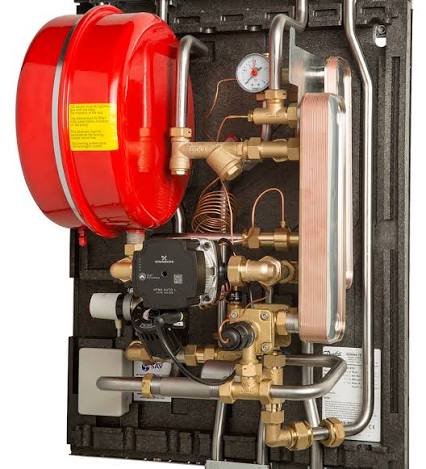
Heat Interface Units, commonly known as HIUs, play an important role in many modern residential buildings across London. These systems transfer heat from a communal or district heating network into individual properties, providing hot water and supporting central heating requirements. Like any mechanical system, an HIU can develop faults over time. Understanding the process behind professional HIU repair London services can help property owners, landlords, building managers, and residents respond to problems more effectively.
Professional repair is not simply about replacing a faulty component. A reliable approach involves identifying the underlying problem, checking the condition of the system, carrying out appropriate repairs, and confirming that the unit is operating safely and efficiently. Knowing what this process involves also makes it easier to recognise why specialist attention is valuable.
Understanding How an HIU Works
Before discussing the repair process, it is useful to understand the basic purpose of an HIU. The unit separates the communal heating network from the property’s internal heating and hot water system. Heat is transferred through heat exchangers rather than directly circulating communal water through household systems.
An HIU normally contains several important components, including heat exchangers, valves, pumps, temperature sensors, strainers, controls, and connections for heating and domestic hot water. Each component has a specific role. If one part begins to malfunction, the effect can range from inconsistent water temperature to complete loss of heating or hot water.
Because these components work together, identifying the exact source of a fault requires a systematic approach. A professional HIU repair London service focuses on the complete system rather than simply addressing the most obvious symptom.
Initial Inspection and Fault Assessment
The first stage of a professional repair is generally an initial inspection. The engineer will assess the reported symptoms and examine the HIU and its surrounding connections. Residents may report problems such as cold radiators, fluctuating hot water temperatures, unusual noises, poor heating performance, or warning indicators.
The engineer can use these symptoms as a starting point but will normally carry out further checks before deciding what needs to be repaired. Visual inspection can reveal leaking connections, damaged components, corrosion, unusual deposits, or signs of overheating.
The system’s operating conditions may also be checked. Temperature readings, pressure levels, flow conditions, and control responses can provide useful information about the cause of the problem. This diagnostic stage is important because replacing a component without understanding the underlying fault may fail to resolve the issue.
Reviewing the Reported Symptoms
Accurate information from the occupant can make diagnosis easier. Details about when the problem occurs, whether it affects heating or hot water, and whether the issue is intermittent or continuous can help narrow down potential causes.
For example, hot water that becomes cold during use could have several possible explanations. The problem may involve flow, temperature control, a heat exchanger, a valve, or another component. A professional assessment helps distinguish between these possibilities.
Detailed Diagnostic Testing
After the initial inspection, the engineer may perform more detailed diagnostic checks. This stage is particularly important because an HIU contains interconnected components, meaning one fault can sometimes produce symptoms elsewhere in the system.
Temperature measurements can help determine whether heat is being transferred correctly. Engineers may also examine valves and sensors to establish whether they respond appropriately to system demands. Pumps and controls may be assessed for signs of malfunction or restricted operation.
Strainers and filters can also require attention. Accumulated debris may restrict flow and reduce the performance of an HIU. In some cases, cleaning or servicing a component can restore performance without requiring replacement.
The objective is to identify the actual cause rather than relying on assumptions. This approach makes HIU repair London more targeted and can reduce unnecessary component replacements.
Identifying the Faulty Component
Once diagnostic information has been collected, the engineer can determine which part or parts require attention. Common issues can involve valves, sensors, pumps, heat exchangers, electrical controls, or connections.
Some faults may be relatively straightforward, while others can involve multiple components. For instance, poor hot water performance might initially appear to be a heat exchanger problem but could instead be related to restricted flow or a control issue.
A professional diagnosis considers these possibilities before repair work begins. The engineer can then explain the problem and determine the appropriate repair strategy.
Carrying Out the Repair
The repair stage depends on the type and severity of the fault. Minor issues may involve cleaning, adjusting, or replacing a small component. More significant problems may require replacement of a valve, sensor, pump, or another part.
Before work is carried out, appropriate safety procedures should be followed. Depending on the system, the engineer may need to isolate electrical supplies, shut off relevant water or heating connections, and allow components to reach safe temperatures.
Replacement components should be suitable for the specific HIU model and installation. Using compatible parts helps ensure that the repaired system continues to operate correctly.
Restoring System Operation
Once the faulty component has been repaired or replaced, the system needs to be returned to normal operation carefully. The engineer may restore connections, reopen valves, and restart the unit according to the manufacturer’s requirements.
This stage should not be treated as the end of the repair. A repaired HIU needs to be tested to establish whether the original fault has actually been resolved.
Testing After the Repair
Post-repair testing is an essential part of professional HIU repair London. The engineer can check heating performance, hot water temperature, flow, controls, and other relevant operating conditions.
Testing may also reveal secondary issues that were hidden by the original fault. For example, restoring normal operation could expose a problem with another control or connection. Identifying such issues during the visit can prevent further disruption later.
The engineer should also check for leaks, unusual noises, abnormal temperatures, or other signs that the unit is not operating as expected.
Explaining the Repair to the Property Owner
Clear communication is another important part of the professional process. Once the repair has been completed, the occupant or property manager should understand what was found and what work was performed.
A useful explanation can include the original fault, the component that required attention, the repair or replacement completed, and any recommendations for future maintenance.
This information can be particularly valuable for building managers who oversee multiple properties. Keeping accurate repair records can help identify recurring problems and support future maintenance planning.
Why Professional Diagnosis Matters
HIUs are technical systems, and symptoms do not always point directly to the cause. Attempting to make unsuitable adjustments without understanding the system can potentially create additional problems.
Professional HIU repair London services use a structured process that moves from inspection and diagnosis through repair and testing. This helps ensure that the work addresses the actual problem rather than temporarily masking a symptom.
Professional attention can also help identify developing issues before they result in more significant disruption. Regular inspections and appropriate servicing can support reliable operation and may help extend the useful life of system components.
Preventing Future HIU Problems
Repair is only one part of effective HIU management. Preventive maintenance can help reduce the likelihood of unexpected faults. Regular checks can identify issues such as restricted flow, worn components, unusual temperature changes, or control problems.
Property managers can also encourage residents to report unusual behaviour promptly. Small changes in heating or hot water performance may provide early indications of developing faults.
Maintaining records of previous repairs can be useful as well. If the same component repeatedly fails, the repair history may help engineers investigate whether there is an underlying system issue.
The Importance of a Structured Repair Process
Professional HIU repair involves much more than replacing a damaged part. It begins with understanding the symptoms, continues through detailed inspection and diagnosis, and ends with repair, testing, and clear communication.
For London properties that depend on communal or district heating systems, reliable HIU performance can contribute significantly to everyday comfort. When faults occur, a structured HIU repair London process provides a practical way to identify problems and restore normal heating and hot water operation.
Understanding each stage also helps property owners and building managers make better maintenance decisions. With appropriate diagnosis, compatible replacement components, careful testing, and ongoing maintenance, HIUs can continue supporting dependable heating and hot water services for residential properties.