
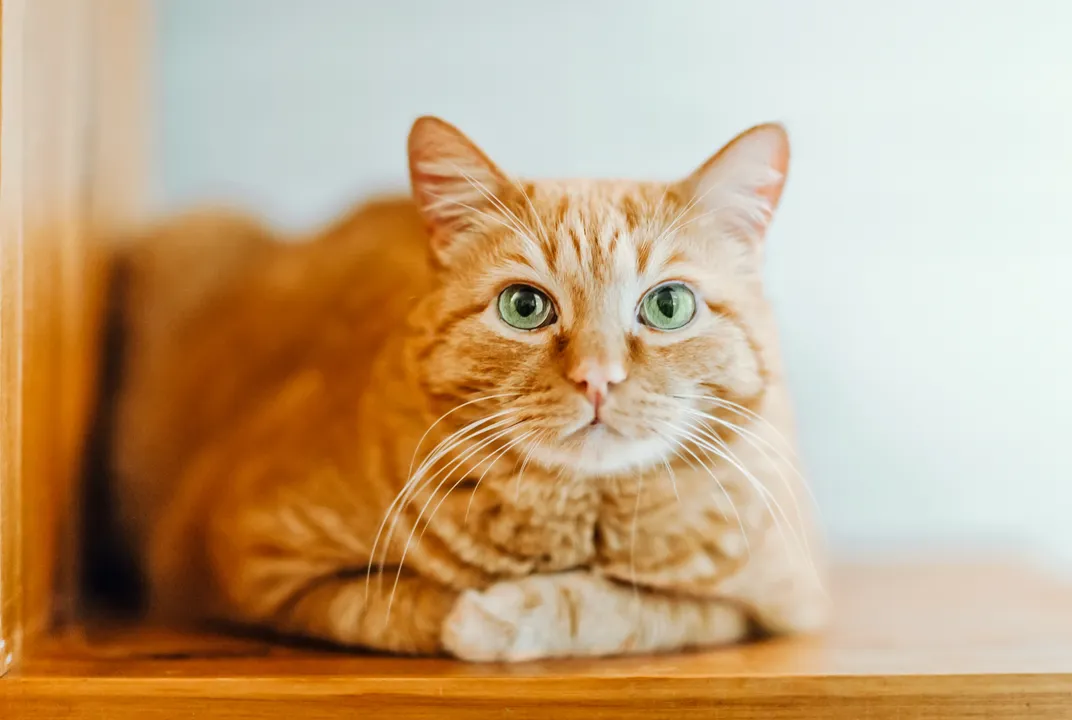
Orange cats have a reputation for personality as sunny as their fur, but they also carry a long-standing question about their sex. If you’ve ever wondered about their gender or how coat color relates to biology, you’re not alone. The short answer is not always, even though many orange cats are male. A deeper look into feline genetics reveals why color and sex can intersect in surprising ways.
The color that gives orange cats their distinctive look is tied to a gene on the X chromosome. In most cases, a cat needs a specific version of that gene to display orange fur. Since males have only one X chromosome (XY), a single orange gene on that X can produce an orange coat. That genetic setup explains why a larger share of orange cats are male. However, biology loves a few exceptions. Female cats can be orange too, but they usually become orange only if they carry two copies of the orange gene (XX) or arise from chromosomal variations or mosaic patterns that affect pigment distribution. These rare cases remind us that coat color is a clue, not a guarantee, about sex.
It’s also helpful to separate common myths from the science. People often conflate orange coloration with calico or tortoiseshell patterns, which almost always indicate a female cat due to the way pigment genes are distributed across cells. Calico and tortoiseshell require a mosaic of two different X chromosomes being active in different cells, which is typically a hallmark of female biology. An orange cat that is uniformly orange is more commonly male, but uniform orange females do exist. Genetics is a beautiful reminder that phenotype (appearance) doesn’t always map one-to-one with genotype (the genetic makeup).
For pet owners, these distinctions matter in practical ways. Knowing that orange color skews male helps set expectations when you encounter a litter or decide on a new family member. It also emphasizes why sexing young kittens should be done carefully. While a quick look at the genital area can offer a strong clue, only a veterinary exam or reliable pedigree information can confirm a kitten’s sex with certainty. Additionally, responsible adoption practices encourage evaluating a cat’s temperament, activity level, and health alongside coat color, rather than assuming traits based on hue alone.
When you meet an orange cat, you might notice a confident, chatty demeanor that some owners attribute to the warmth of their coat. These personality traits aren’t universal, but you’ll often find orange cats with a bold or friendly attitude. If you’re considering adding one to your home, reflect on your living situation, time for play, and grooming needs. Orange fur can be short and easy to manage, but like any color, it’s part of a larger picture that includes health history, genetic background, and daily care requirements such as brushing, dental care, and regular veterinary visits.
For a detailed breakdown, check are orange cats always male. This guide delves into chromosome-level explanations, common misperceptions, and practical tips for prospective owners. If you’re seeking more pet care insights, visit the Neoazine homepage for additional articles on cats, dogs, and responsible pet ownership.
Ultimately, the color of a cat’s fur is a fascinating feature shaped by genetics, and it can hint at, but not determine, sex. By combining curiosity with reliable veterinary advice, you’ll enjoy a healthier, happier relationship with your feline friend—whatever their coat color happens to be.
 Admin
Admin