
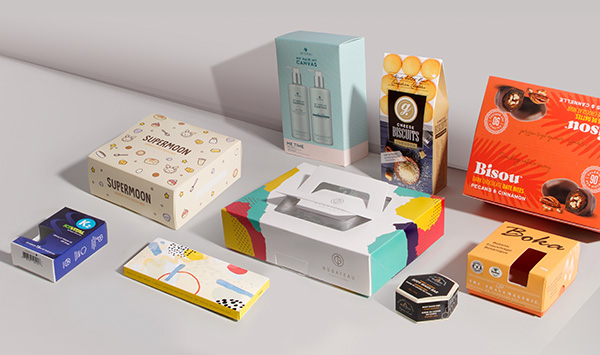
In today’s crowded shelves, packaging sets the first impression. A well-crafted custom box design functions as a brand ambassador, communicating quality and care before the consumer ever opens the product. The right box tells a story, reinforces trust, and primes shoppers for a premium experience that can translate into higher perceived value and faster purchase decisions.
Investing in packaging design is not vanity; it’s a strategic move that affects perceived value, price tolerance, and dwell time on product pages. When your box stands out, it helps differentiate in a sea of sameness, aligning with the broader marketing strategy and product positioning. A thoughtful design considers not just aesthetics, but also usability, sustainability, and logistical realities from warehouse to doorstep.
In practice, effective box design aligns with brand story, product category, and buyer persona. A premium look for luxury cosmetics, for example, may rely on soft-touch finishes and metallics, while a sustainable snack line might favor kraft stock and minimalist graphics. When these choices reflect the consumer’s expectations, the packaging becomes a persuasive extension of the product itself rather than a mere container.
Why packaging design adds market value
When executed strategically, custom box design provides significant market value to your product by signaling premium quality, enabling premium pricing, and boosting brand recall. A box that feels sturdy, opens smoothly, and reveals a thoughtful insert can enhance unboxing experiences, encouraging social shares and word-of-mouth referrals. The unboxing moment often becomes a micro-brand story, shared across social platforms and reviews, driving organic awareness and credibility.
Key elements of high-value box design
- Structural design that fits the product securely and minimizes damage during transit
- Material selection, balancing durability, weight, and sustainability considerations
- Visual identity, including color palette, typography, and brand marks for instant recognition
- Finishes such as matte, gloss, foil stamping, or spot UV to create tactile and visual appeal
- Sustainability messaging and recyclability information that resonates with eco-conscious consumers
- Intelligent inserts, tissue, or compartments that enhance the unboxing ritual and product presentation
ROI and market value
Packaging influences more than first impressions. It can lift product-page conversion, justify higher price points, and reduce returns by improving perceived protection and quality. When customers associate your brand with well-considered packaging, they are more likely to become repeat buyers and advocates. Quantifying ROI may involve tracking lift in conversion rates, average order value, and social engagement tied to packaging cues such as unboxing videos or influencer reviews.
Practical steps to implement
- Define the target audience and translate brand values into packaging rhetoric and visuals
- Choose materials that meet sustainability goals while maintaining product protection
- Collaborate with designers and printers early to balance aesthetics with feasibility and cost
- Prototype quickly, test with real users, and refine based on feedback
- Plan for scalability across SKUs and ensure compliance with shipping and retail requirements
Ultimately, a strategic custom box design can elevate your product’s market value, create a cohesive brand experience, and influence consumer decisions at the shelf or on the screen. By blending form, function, and storytelling, your packaging becomes an active participant in the product’s success, not just a protective shell.
For design inspiration, visit the homepage.
 Admin
Admin