
Rugs add warmth and style to any room, but they also trap dust, dirt, and allergens. A clean rug improves indoor air quality and extends the life of the fibers. Whether you have a shag, a low-pile synthetic, or a delicate wool rug, mastering a safe cleaning routine at home can save you time and money.
Know your rug and test first
Before you reach for cleaners, identify the rug’s fiber and construction. Wool, cotton, synthetic blends, jute, and Oriental knots each respond differently to moisture and cleaning products. Always check the care label and perform a colorfast test on an inconspicuous corner. A tiny dab of water or a mild cleaner should not bleed color. If it does, avoid wet cleaning and consider dry methods or professional help.
If you’re looking for a detailed, step-by-step method, you can read the article how to clean a rug at home for guidance you can follow at your own pace.
The basic routine for most rugs
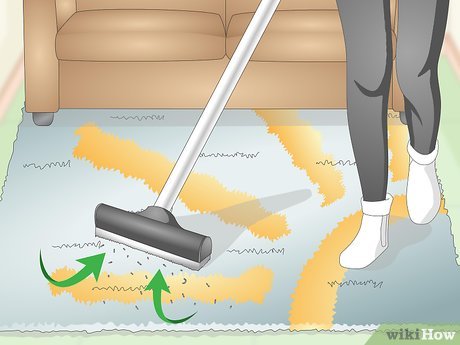
Start with a thorough vacuum to remove surface dirt. Vacuum both sides if possible, using a brush attachment for deeper piles and avoiding aggressive agitation on delicate fibers. Shake or beat out loose dirt when you can, especially for smaller rugs. For larger pieces, take them outside and gently loosen embedded dust from the back. Treat stains promptly: blot—don’t rub—with a clean cloth to prevent the stain from spreading or sinking deeper.
Spot cleaning and gentle solutions
Most common spills respond well to a mild, pH-balanced cleaner or a DIY mix: a few drops of dish soap in warm water. Test in a hidden spot, then blot the stain from the outside toward the center. For pet accidents, use an enzymatic cleaner designed for carpets to break down odors and urine compounds. Avoid bleach on colored rugs, and never saturate wool or silk fibers, which can shrink or felt. Use minimal moisture and always air-dry thoroughly before using the rug again.
Deep cleaning options
For small, machine-washable rugs, check the label for washing instructions. Some cotton or synthetic small area rugs can be cleaned in a front-loading washer with a gentle cycle, using a mild detergent and cold water. For larger or more delicate rugs, hand-wash with a mild detergent and cold water, or arrange a professional cleaning. Drying should be thorough: lay flat in a well-ventilated area, or use a fan to speed evaporation. Do not expose a wet rug to direct heat, which can warp fibers or cause dye bleeding.
Maintenance and prevention
Prevention is easier than remediation. Use doormats at entrances, remove shoes, rotate rugs to even wear, and vacuum regularly. Consider annual or biennial professional cleanings for high-pile or antique pieces. If you want more home-care cleaning tips and guides, visit NewsPrier for additional resources and inspiration. Building a routine around these practices helps keep rugs looking fresh longer and reduces the need for aggressive scrubbing.
 Admin
Admin