
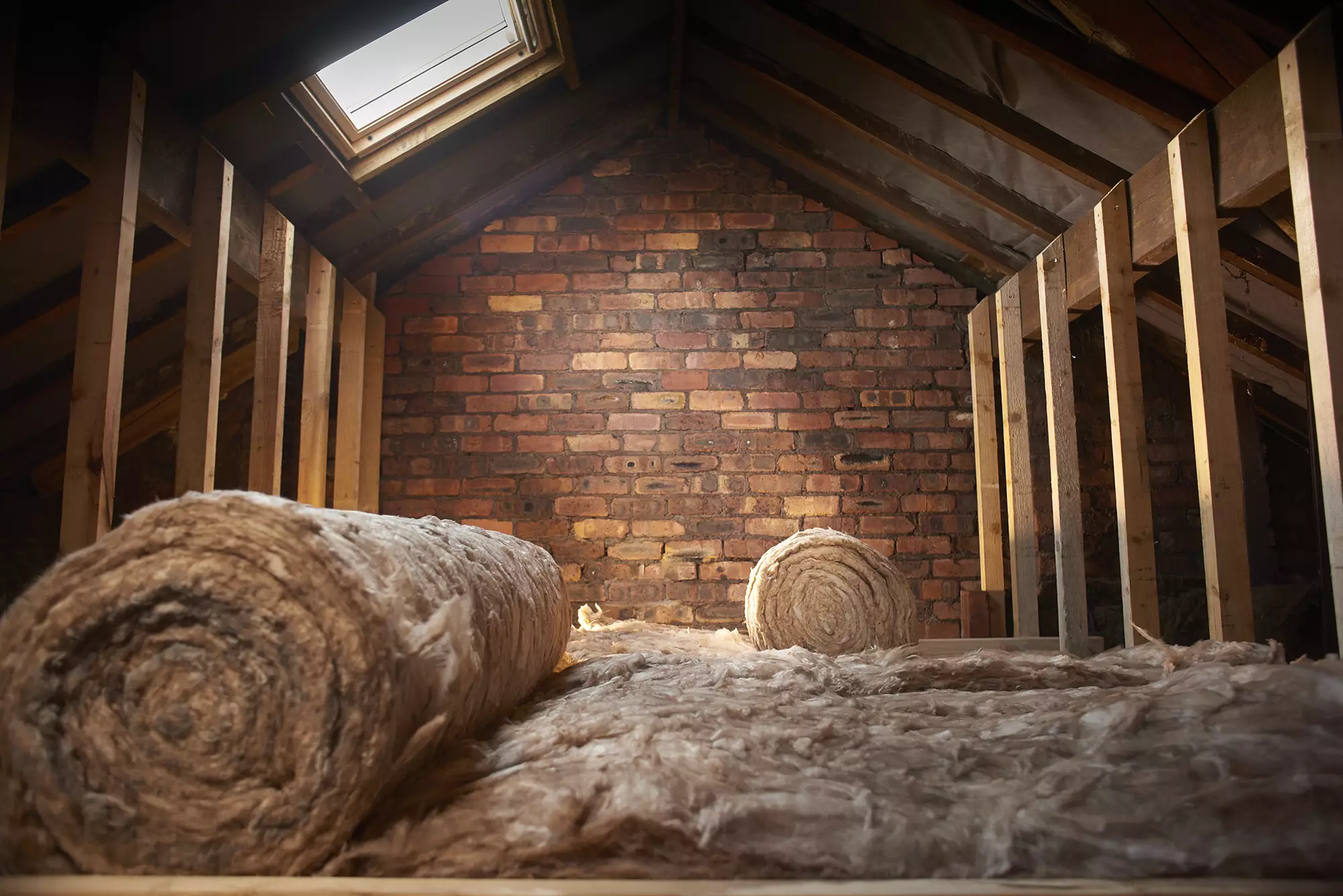
Rising energy prices have made home insulation a top priority for many households. Loft insulation is one of the most cost-effective upgrades you can make to reduce heat loss, keep your home warmer in winter, and cut monthly fuel bills. Understanding the loft insulation cost helps you plan the project, compare quotes, and choose the right solution for your roof space and budget.
What affects loft insulation cost
Several variables influence the final price. The size and shape of your loft, the type of insulation you choose, whether you need to board the space, and whether you hire a tradesperson or take a DIY approach all affect the total.
Material options
- Glass wool or mineral wool rolls or batt insulation — popular and economical, installed between joists.
- Rigid foam boards — effective for deeper insulation or irregular spaces.
- Blown insulation — good for retrofits or lofts with limited access.
- Cellulose — an eco-friendly option often used for retrofits and biodiversity considerations.
Installation approach
DIY insulation is generally cheaper but requires careful safety practices and knowledge of ventilation to prevent condensation. Professional installation tends to be more expensive up front, but it ensures correct sealing, ventilation, and compliance with building regulations, which can protect energy efficiency and prevent future issues.
Cost ranges you can expect
In many regions, professional loft insulation projects can vary from a few hundred to several thousand pounds, depending on loft size, material choice, and whether you need extra sealing, boarding, or scaffolding. A rough guideline is around £8–£20 per square meter for standard mineral or glass wool, plus labor. If you opt for blown-in or sprayed solutions, prices can be higher, but the benefits in airtightness and reduced heat loss may justify the extra cost. Remember that the initial loft insulation cost is an investment that often pays back through lower energy bills and improved comfort as winter approaches.
How to estimate your own loft insulation cost
Start by measuring your usable loft area and listing the upgrades you want: insulation thickness, air sealing, and any boarding. Gather at least three quotes from reputable installers and request a full breakdown: materials, labor, waste disposal, and any required access equipment. Also check for grants or energy-efficiency schemes that could offset part of the expense.
To get a sense of the market, you can explore resources like this guide on loft insulation cost, which explains common options, pros and cons, and typical payback periods.
Choosing the right option for your home
Every house is different. An older loft may need attention to ventilation and gap sealing, while a newer space might benefit from higher insulation thickness. Consider long-term savings, comfort, and resale value alongside the upfront price. In many cases, combining insulation with draft-proofing and ceiling insulation yields the best overall energy efficiency.
For more tailored guidance and ideas, visit the Deco Home homepage.
 Admin
Admin