
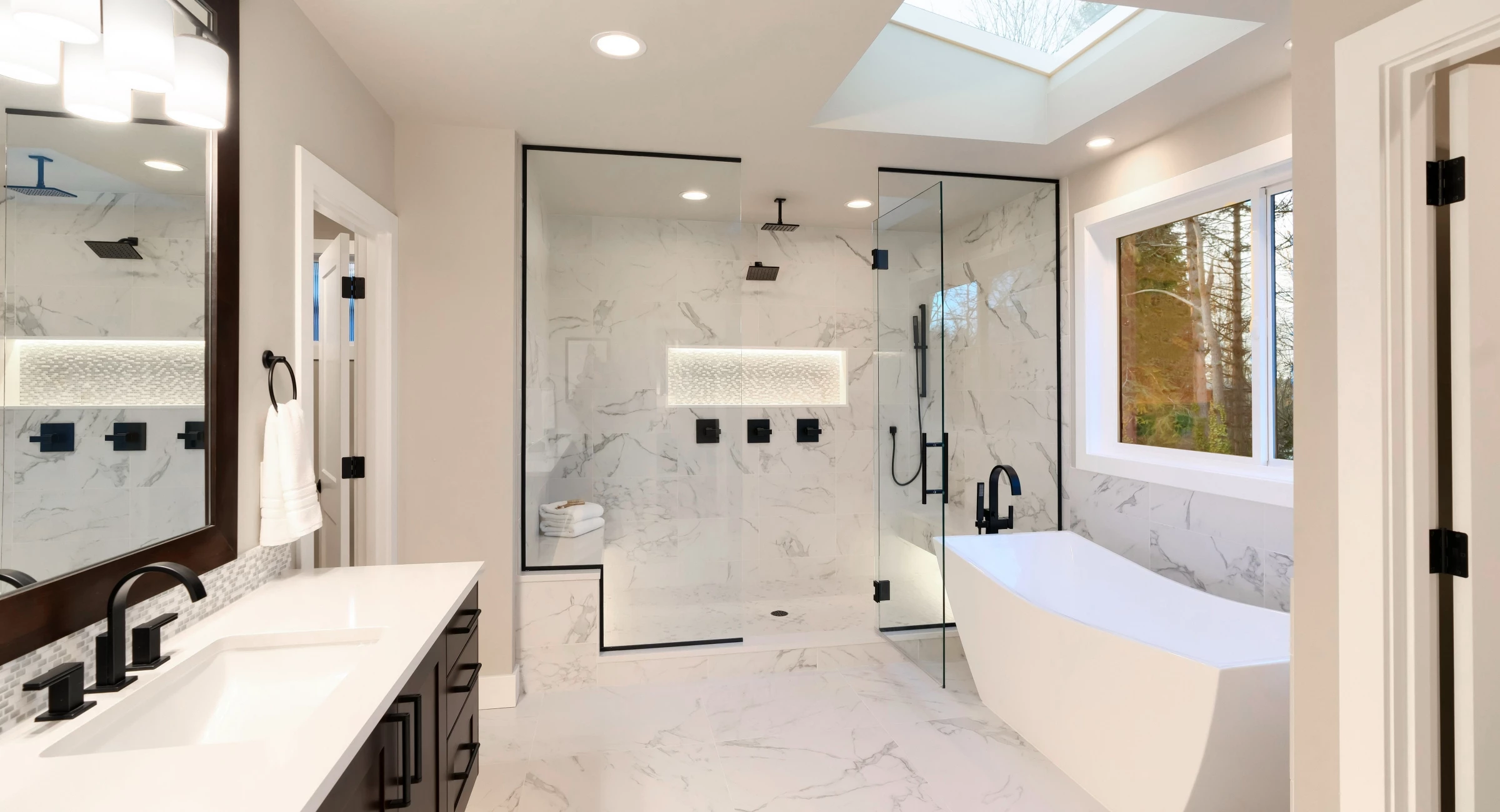
Designing a master bathroom starts with thoughtful floor plans. This space, often the largest in a home’s private wing, should blend luxury with everyday practicality. The right master bathroom floor plans layout influences daily routines, privacy, and even resale value. Whether you are renovating an older suite or building from scratch, beginning with a clear diagram helps you visualize zones for soaking, showering, dressing, and storage. A well‑planned layout reduces wasted space, improves airflow, and supports safe movement from morning grooming to evening relaxation.
When shaping your plan, consider how you live in the space. Do you want a spa-like retreat, or a more functional residence with high-tech features? Think about traffic flow between the entrance, the toilet area, and the vanity. Lighting, ventilation, and moisture management are essential for long-term comfort. By outlining your priorities early—such as a large soaking tub, a spacious shower, or a separate dressing area—you can prevent costly changes later in the build.
Key considerations in master bathroom floor plans
- Traffic pattern: Place the vanity, shower, and tub in a logical sequence that minimizes backtracking.
- Privacy: Separate wet zones from dressing areas; consider frosted glass or a door for the toilet room.
- Plumbing layout: Align fixtures to reduce complex rerouting and keep costs lower.
- Natural light and views: If possible, position windows or skylights to brighten the space without compromising privacy.
- Storage: Include built‑ins, niches, and ample medicine cabinets to keep surfaces clutter‑free.
- Accessibility: Plan wide doorways, curbless showers, and bench seating if aging in place is a goal.
Popular layouts for comfort and function
There are several timeless approaches that balance luxury with practicality. A common layout features a large shower and a freestanding tub as focal points, with a pair of vanities that face outward for morning routines and kid‑free prep. For smaller suites, a long, rectangular plan can keep everything within arm’s reach while preserving a sense of openness. Some homeowners prefer a split layout—his and hers vanities separated by a water closet or a private water closet—to reduce morning bottlenecks. Wet room concepts, where the shower and tub share a water area with a single drain, can feel expansive if there’s adequate space and proper waterproofing.
Another popular option is to place the toilet and bidet in a private alcove behind a door, adjacent to a large, luxurious shower. If space allows, a separate dressing area or walk‑in closet connected to the bathroom creates a seamless, hotel‑like experience. Regardless of layout, the goal is to create distinct zones that feel cohesive yet independent, so two people can move freely without bumping into one another.
Materials, lighting, and finishes
Choose durable, water‑resistant materials such as porcelain, ceramic, natural stone, or quartz for countertops and floors. Large format tiles with minimal grout lines can make the room feel bigger and easier to clean. Heated flooring is a small luxury that pays off in comfort. For lighting, combine layered options: ambient ceiling lighting, task lighting around the vanities, and soft, warm lights near the tub for a spa feel. Consider dimmers to set the mood for a relaxing evening spa session. Ventilation matters too; a quiet, high‑capacity fan prevents mold and keeps the space fresh even with high humidity.
To explore curated layouts and real‑world examples, browse the master bathroom floor plans. For more design ideas and resources, visit the HausFixr homepage.
 Admin
Admin