
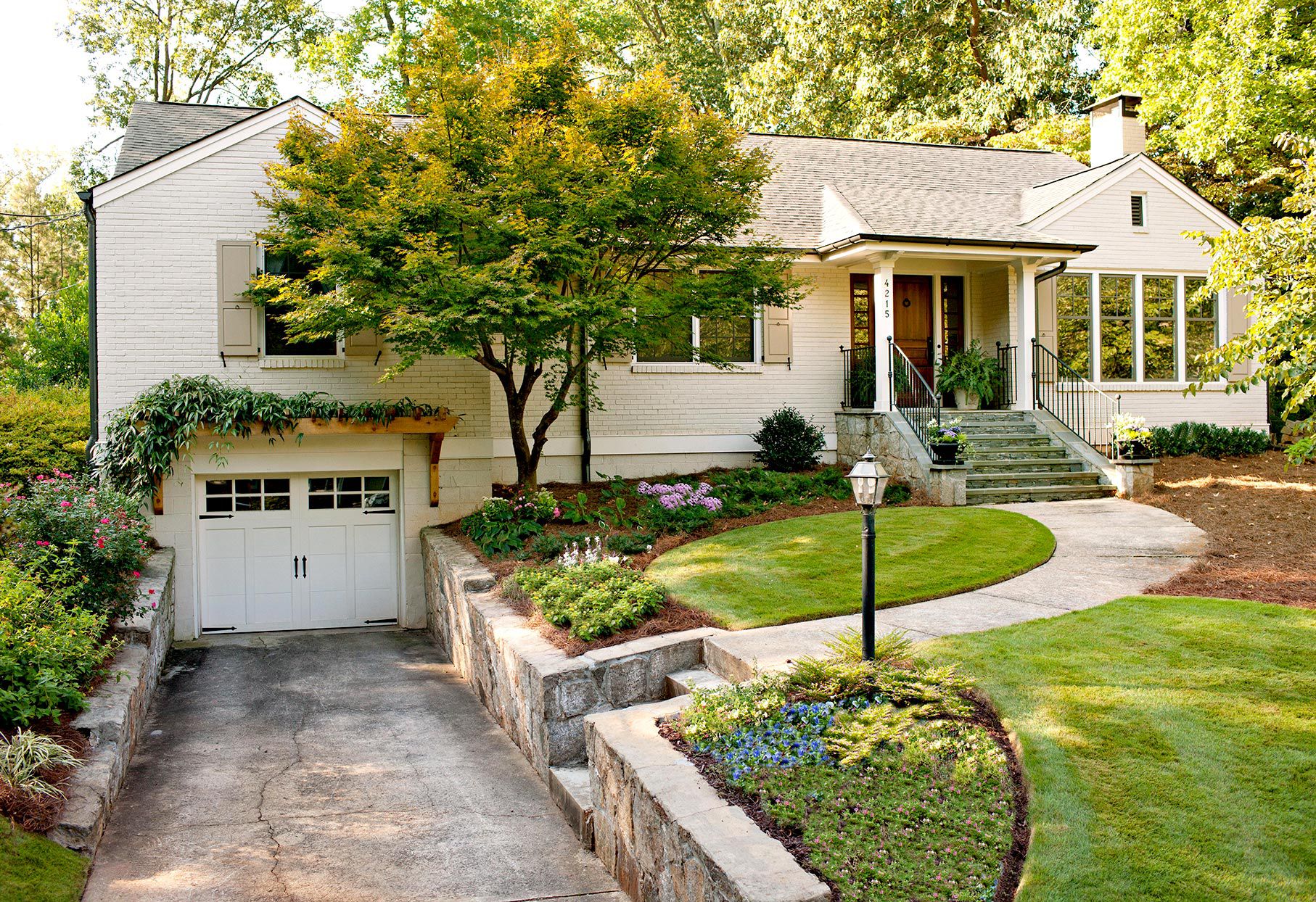
A painted brick house offers a fast, visually striking way to refresh curb appeal while preserving the brick texture. Whether you prefer crisp whites, warm neutrals, or bold hues, painting can transform the character of a home without major structural work. This guide covers color selection, preparation, application techniques, and ongoing maintenance so you can plan a durable finish that ages gracefully.
Choosing the Right Color for a Painted Brick House
Color sets the mood and can influence how your house sits in its neighborhood. Light chroma tends to create a bright, welcoming facade and can brighten shaded frontages. Deeper tones provide drama and architectural emphasis when used on brick, doors, and trim.
When evaluating palettes, take time to test samples on small wall areas and observe them at different times of day. For example, a painted brick house can dramatically shift how a home is perceived, especially when paired with contrasting trim or a vibrant front door. Consider the climate and brick porosity—some bricks bleed minerals that can affect color over time, so selecting a primer and a finishing coat with good coverage is essential. You may also decide on the sheen—matte, eggshell, satin, or low-gloss—based on maintenance preferences and the style of your residence.
Prep and Application: How to Get a Lasting Finish
Prep work is the backbone of a durable paint job. Begin by cleaning the brick surface with a stiff brush and a mild detergent to remove dirt, algae, mildew, and efflorescence. Rinse thoroughly and allow the masonry to dry completely before priming. Repair any damaged mortar and ensure that anchors or trim are secure; loose components can later cause peeling or uneven paint coverage.
Choose a masonry primer designed for exterior brick. A quality primer improves adhesion and blocks tannins or mineral bleed, which can discolor paint over time. Follow with a high-quality exterior acrylic latex or elastomeric paint formulated for masonry; elastomeric finishes offer flexible film protection and can help hide hairline cracks. Apply in thin, uniform coats with a roller or spray system, maintaining even humidity and temperature conditions to avoid premature drying or peeling. Light coats build durability more effectively than thick, heavy applications.
Durability and Maintenance
Expect a painted brick house finish to last several years when properly prepared and protected from the elements. Repainting is common every 5–10 years, depending on sun exposure, moisture, and wear from the environment. Clean the surface annually with a soft brush and mild cleaner to prevent dirt buildup, which can cause color fading or a chalky appearance. If peeling or blistering occurs, address it promptly by washing the area, priming, and applying fresh paint to affected sections.
Styling It Right: Accents, Landscaping, and Details
Color is only part of the equation. Pair your painted brick with contrasting trim, a bold front door, and complementary landscaping to create a cohesive look. Hardware finishes in stainless steel or matte black, stone or brick accents, and well-placed lighting can highlight architectural features without overpowering the brick texture. For readers seeking a practical, step-by-step plan, you can explore more ideas in a detailed guide to a painted brick house project.
For more inspiration, visit Dream of DIY.
Conclusion
Choosing to refresh a brick exterior with paint is a flexible, cost-effective approach to updating your home’s look. By selecting the right color, performing thorough prep, and committing to regular maintenance, you can enjoy a durable finish that enhances curb appeal for years to come. Gather samples, plan your steps, and time the project to suit your climate and schedule.
 Admin
Admin