
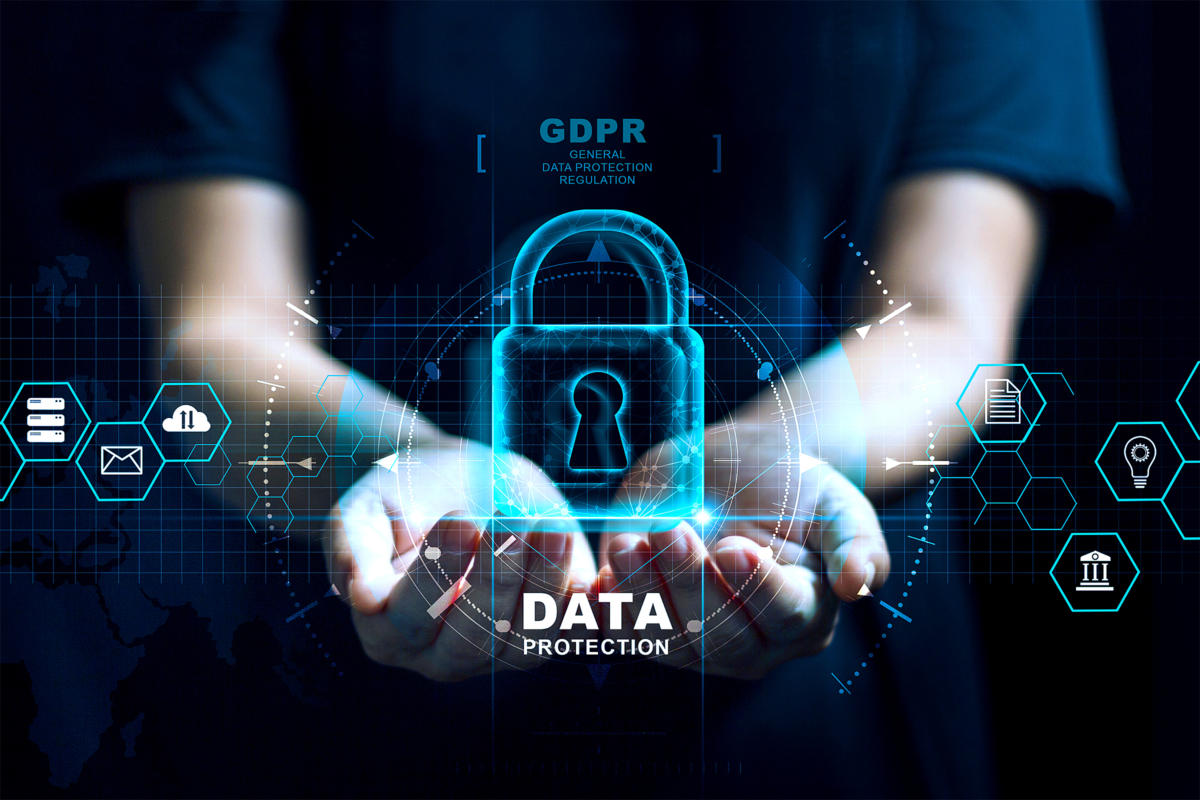
In today’s interconnected world, protecting sensitive information is no longer optional—it’s essential for individuals and organizations alike. the need for robust cyber security protecting data and personal privacy has moved from a niche IT concern to a strategic business and personal safety imperative. As more devices, apps, and services collect data, the attack surface expands, increasing the risk of data breaches, identity theft, and reputational damage.
Why is this topic so critical now? First, cyber threats have grown more sophisticated and automated. Ransomware, phishing, and supply-chain compromises can disrupt operations in minutes. Second, data protection regulations impose penalties for lax controls and demand accountability for data handling. Third, everyday online activity can reveal patterns about behavior, health, finances, and relationships. Together, these factors create a compelling case for robust controls and transparent practices.
Key components of strong cyber security protecting data and personal privacy
Effective security starts with a posture that blends people, processes, and technology. Access controls, strong authentication, and least-privilege policies limit who can view data and how it can be used. Encryption—at rest and in transit—protects information even if a breach occurs. Regular patching, vulnerability management, and secure software development lifecycles close the door on known weaknesses. Incident response planning and recovery capabilities ensure that when a breach happens, the impact is contained and communication remains clear.
Beyond technology, culture matters. Security awareness training helps employees recognize phishing attempts and social-engineering tactics. Data minimization, retention schedules, and data classification programs reduce the volume of sensitive information that could be exposed in a breach. A privacy-by-design approach means that new products and services embed privacy safeguards from the outset rather than as an afterthought.
Practical steps for individuals and organizations
For individuals, start with strong, unique passwords and a reliable password manager. Enable multi-factor authentication on critical accounts and review privacy settings on social platforms and apps. Regularly monitor your own data footprint, including who can access your information and how it is shared. For organizations, conduct risk assessments that map data flows end-to-end and identify third-party risks. Implement continuous security monitoring, enrich it with threat intelligence, and test your defenses through tabletop exercises and red-team simulations.
Security is an ongoing process, not a one-time fix. The best strategies combine preventative controls with detective and corrective measures. By prioritizing data protection, businesses can reduce breaches, gain customer trust, and comply with regulatory expectations. This balanced approach also supports user privacy, which remains a key differentiator in competitive markets.
For those seeking up-to-date guidance and expert perspectives, NewsShype homepage offers insights, case studies, and practical tips on cyber security, data protection, and privacy trends.
Looking ahead, technologies like zero-trust architectures, secure access service edge (SASE), and privacy-enhancing technologies will shape the landscape. Organizations should adopt a layered defense and continuous improvement mindset, measuring security resilience with key metrics and audits. Consumers will benefit when vendors publish clear privacy notices and offer transparent data controls. Adoption of standards and collaboration between regulators, industry, and the public will accelerate progress.
Take the steps today to protect data and privacy by auditing your devices, training teams, and choosing partners who value security. The need for robust cyber security protecting data and personal privacy is not a trend; it is a baseline expectation for a trustworthy digital world.
 Admin
Admin