
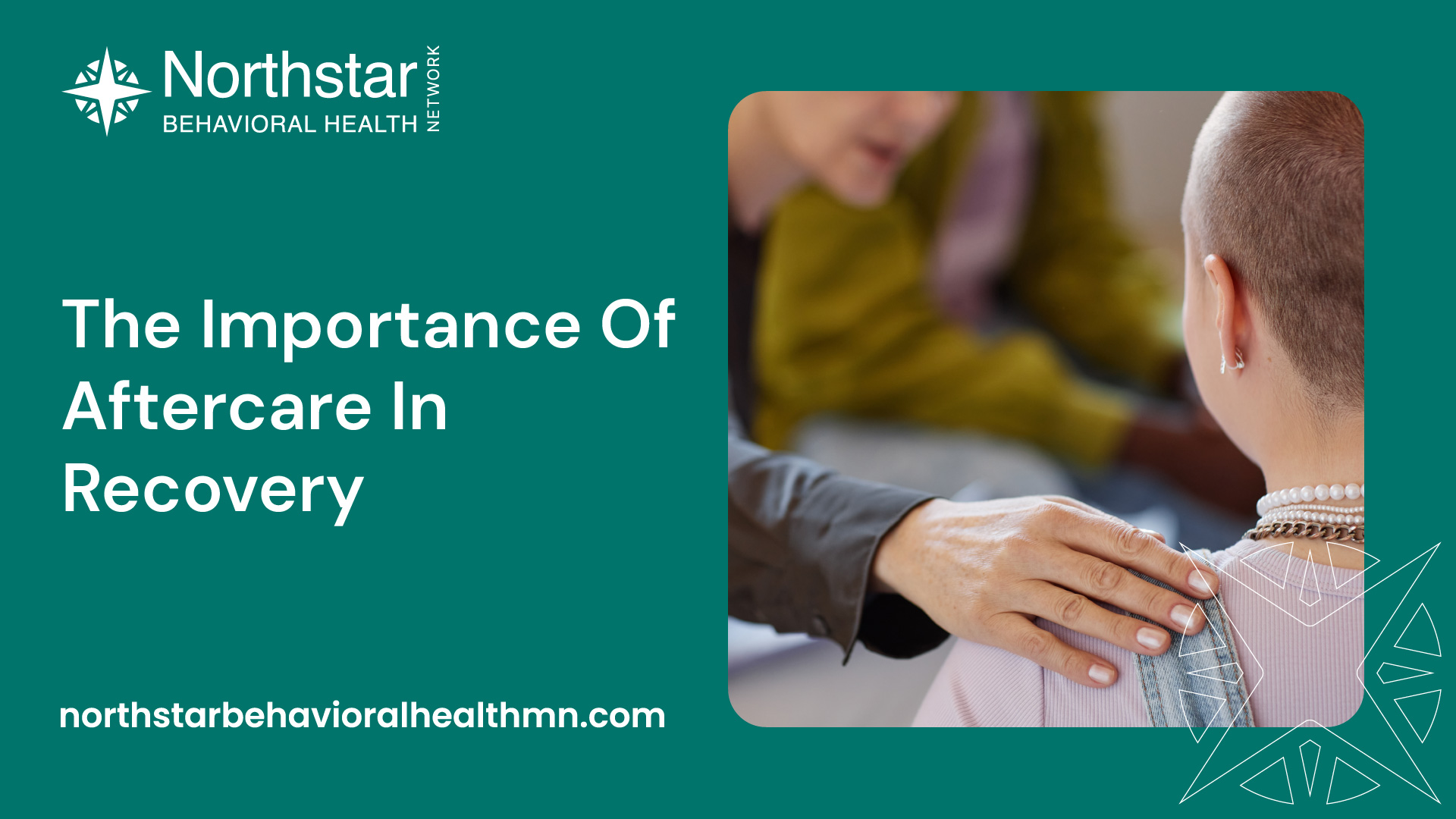
Recovery is often described as a lifelong process. While formal treatment can provide essential skills and support, the real work happens after a program ends. The value of aftercare in sustaining sobriety lies in bridging the gap between structured treatment and independent living, helping people navigate cravings, stress, and setbacks with a plan in place.
What aftercare looks like
Aftercare may include ongoing therapy, regular check-ins with a counselor, participation in support groups like 12-step meetings or SMART Recovery, and sober living arrangements. It also involves practical life skills, relapse prevention planning, and building a durable support network.
At its core, aftercare creates continuity. It keeps individuals from abandoning the routines that supported sobriety during treatment, such as daily journaling, coping strategies, and healthy routines. For many, this continuity reduces the risk of relapse during vulnerable periods, such as holidays, job changes, or relationship stress.
the value of aftercare in sustaining sobriety is widely recognized by clinicians, peers, and families who have witnessed long-term recovery.
Key benefits of a strong aftercare plan
- Accountability: regular check-ins provide accountability without feeling punitive.
- Consistency: predictable routines help manage triggers and cravings.
- Skill reinforcement: ongoing therapy reinforces coping strategies learned in treatment.
- Support networks: peer groups offer understanding, shared experiences, and encouragement.
- Relapse prevention: a tailored plan identifies high-risk moments and supports proactive responses.
- Life integration: employment, education, housing, and health care are coordinated to reduce stress.
Developing an aftercare plan starts during treatment, with therapists and patients co-creating a step-by-step path. That plan should be flexible, measurable, and specific—defining meeting times, triggers to watch for, and emergency contacts. The emphasis is not on confinement but on empowerment: individuals learn to ask for help, set healthy boundaries, and celebrate small victories.
Tailoring aftercare to individual needs
Everyone’s recovery journey is unique, so tailoring aftercare matters. Start with a personalized assessment that considers medical history, trauma, work, supports, and goals. A robust plan blends therapy, peer groups, and practical tools like scheduling apps or vocational training. Keep it flexible: life changes may shift intensity, moving from weekly therapy to monthly check-ins or occasional workshops.
Overcoming common challenges
Staying connected after the program can be difficult when motivation wanes or social circles drift. Some people fear judgment from family or worry about stigma at work. Practical barriers—cost, transportation, or childcare—also persist, especially for those with limited resources. To counter these issues, aftercare plans include low-cost options, transportation stipends, childcare swaps, and digital meetings that fit busy schedules. An accountability buddy or sponsor who checks in between sessions helps. For co-occurring mental health conditions, integrated care that coordinates psychiatry, primary care, and therapy tends to reduce relapse risk. Keep a visible relapse-prevention plan as a quick reminder.
Measuring progress beyond days sober matters for motivation. Simple metrics include attendance at aftercare groups, days without substances, use of healthy coping strategies, and feedback from sponsors. When progress slows, revisit goals and adjust supports. Celebrating milestones—like 30, 60, or 90 days—helps reinforce a resilient identity. Progress is not linear; slips can occur, but a strong aftercare framework offers quick, nonjudgmental support to rebound.
Ultimately, aftercare is a bridge to a better life after treatment. It rebuilds relationships, protects health, and cultivates a durable sense of purpose that endures through stress. Investing in ongoing support creates a foundation for sobriety that lasts.
For more resources and recovery-focused articles, visit the Readslife homepage. Readslife can be a useful gateway to supportive reading, practical tips, and success stories that reinforce commitment to sobriety.
If you’re seeking sustainable sobriety, commit to aftercare.
 Admin
Admin