
Experiencing a slow drain in the bathroom can disrupt your daily routine. When a tub takes too long to empty after a bath, it’s more than an inconvenience—it can lead to standing water, odors, and potential water damage. If you’re facing this issue, you’re not alone. This article covers common causes, practical DIY fixes, and smart prevention tips to help you restore a smooth, reliable drain.
Consider bathtub not draining as a symptom, not a stubborn mystery. In many homes, the culprit is a simple clog made of hair, soap scum, and mineral deposits that accumulate over time. However, other issues such as a blocked vent or partially collapsed piping can also slow drainage. Identifying the most likely cause will guide your approach and save you money on unnecessary fixes.
Common causes of slow drainage
Hair is the leading offender in bathroom drains. When strands wrap around the stopper or collect in the drain opening, water struggles to pass through. Soap scum from daily use forms a slick layer that traps debris. Hard water can leave mineral deposits that accumulate on the inside of pipes, especially in areas with high limestone content. A disconnected or clogged vent pipe can cause negative pressure, making water drain more slowly. In rare cases, the P-trap underneath the tub may be dry or misaligned, creating air pockets that hinder drainage.
DIY fixes you can try
Before you call a plumber, try these safe, budget-friendly steps. Start with routine maintenance, then move to more penetrative methods if needed.
- Remove the drain stopper and clean visible hair or gunk from the opening. Use needle-nose pliers or a small wire if needed.
- Use a plunger with a good seal and several firm pumps to try dislodging the clog.
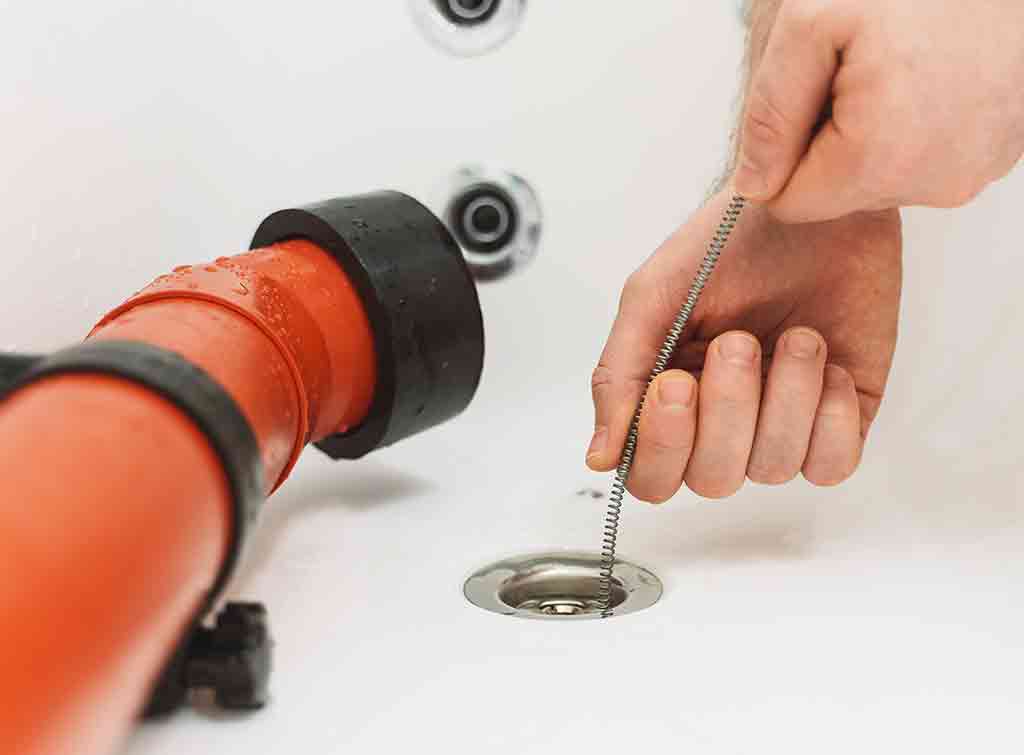
- If the clog persists, a drain snake or hand auger can reach deeper into the pipe. Turn the snake slowly and pull out any material as you go.
- For minor mineral buildup, pour a kettle of hot water down the drain, followed by a mix of baking soda and white vinegar. Let it fizz for 15 minutes, then flush with hot water again. Avoid harsh chemical drain cleaners, which can damage pipes or tub finishes over time.
- Check the overflow plate and cover for hair or debris. Remove and clean this area to improve drainage where the blockage might be accumulating at the inlet.
- Consider an enzyme-based drain cleaner as a safer long-term option. These cleaners digest organic material without harsh caustics, and can be used periodically to keep the system clear.
When to call a professional
If you notice foul odors, repeated clogs, or water backing up into other fixtures, it’s wise to contact a licensed plumber. Persistent drainage problems may indicate a cracked pipe, venting issues, or a sewer line problem that requires professional equipment and expertise. A pro can perform a camera inspection to pinpoint the blockage and recommend a lasting repair rather than quick fixes.
Prevention and maintenance tips
Preventing future clogs is easier than you might think. Use a drain screen to catch hair and debris, clean the pop-up stopper regularly, and wipe the drain area after showers to reduce soap scum buildup. Periodically flush the system with hot water and a non-acidic cleaner to minimize mineral deposits. If your area has hard water, consider a water conditioner that reduces mineral buildup in pipes over time. Scheduling a small monthly maintenance routine can keep drains flowing freely and minimize emergency calls.
For additional resources and guidance, visit the homepage.
 Admin
Admin