
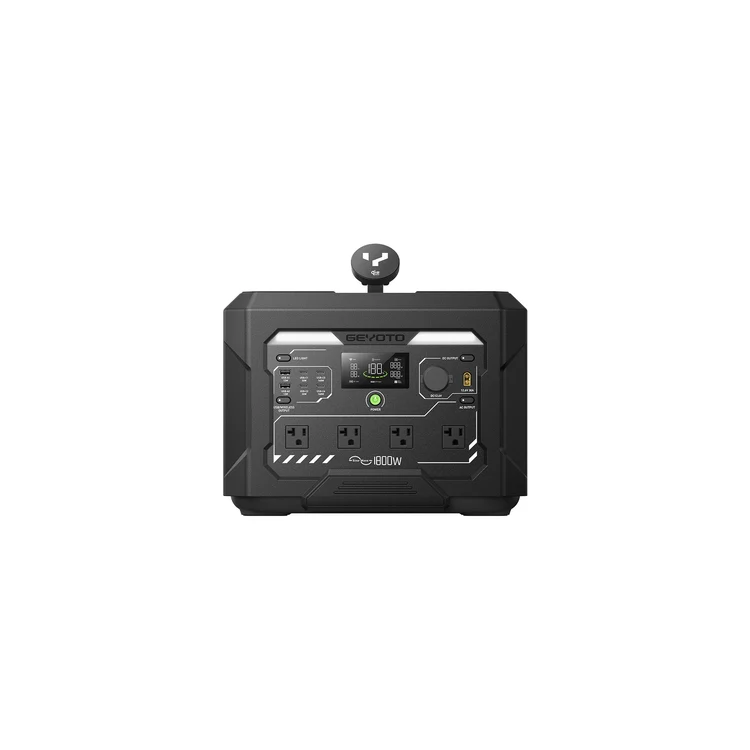
Power interruptions can happen unexpectedly because of severe weather, grid maintenance, equipment failures, or other emergencies. Having a dependable backup power solution can make these situations easier to manage. A portable power station offers an alternative to traditional fuel-powered generators, particularly for households that need electricity for essential electronics, communication devices, lighting, and other everyday equipment. The GEYOTO N1000 home backup power station is designed around this type of practical backup requirement, combining stored battery energy with multiple output options in a portable format.
Understanding Home Backup Power Stations
A home backup power station is essentially a rechargeable battery system equipped with an inverter and several charging and output connections. Unlike conventional generators that normally require gasoline or another fuel source, a battery power station stores electricity and makes it available when needed.
For homeowners, this approach can be useful during short outages or as part of a broader emergency preparedness plan. Depending on its capacity and output capability, a power station can operate devices such as phones, laptops, LED lights, routers, fans, and other compatible electronics.
The biggest advantage is convenience. A battery-based system can generally be stored indoors without the fuel storage and exhaust concerns associated with combustion generators. It can also be recharged from wall power, and compatible solar charging options can provide additional flexibility during extended outages.
Why the GEYOTO N1000 Is Designed for Backup Use
The GEYOTO N1000 home backup power station is positioned as a portable energy solution for situations where access to conventional electricity is interrupted. Its usefulness comes from several characteristics that are important when selecting backup equipment.
One of the first considerations is battery capacity. Capacity determines how much energy the station can store and therefore how long connected devices can operate. A larger capacity is especially valuable when an outage lasts several hours or when several low-power devices need to remain operational.
Output capability is another important factor. A useful home backup station should provide appropriate outlets for the devices a household expects to use. AC outlets can support compatible household electronics, while USB connections are convenient for phones, tablets, and other small devices.
Portability can also matter. A power station that can be moved between rooms allows users to direct available energy where it is most needed. For example, during an outage, the unit might be positioned near a home office during the day and moved closer to essential lighting or communication equipment at night.
Supporting Essential Household Electronics
One practical way to evaluate a backup power station is to focus on essential loads rather than trying to power an entire house. Most portable battery systems are better suited to selected appliances and electronics than to high-demand whole-home equipment.
The GEYOTO N1000 home backup power station can be considered as part of a backup strategy for equipment such as smartphones, Wi-Fi routers, laptops, lamps, monitors, and other compatible electronics. Keeping these devices running can be particularly valuable during an emergency.
For example, a functioning router can help maintain internet connectivity when the local network remains available. A charged smartphone allows household members to communicate with family, emergency services, or utility providers. Lighting can make it easier to move around safely after dark, while a laptop can support remote work or access to important information.
Before connecting any appliance, however, users should check its rated wattage and compare that requirement with the power station’s output specifications.
Battery Capacity and Runtime Considerations
Battery capacity is normally expressed in watt-hours, while appliance consumption is measured in watts. These figures provide a basic way to estimate runtime.
For instance, an electronic device consuming 50 watts continuously would theoretically use 50 watt-hours every hour. Real-world runtime is usually lower than a simple capacity calculation because power conversion and battery-management systems consume some energy.
This makes energy management important during an outage. Instead of leaving unnecessary devices connected, users can prioritize essential equipment. Turning off unused screens, lights, chargers, and other electronics can extend the available runtime.
Creating a simple emergency power list before an outage can help. Households can identify which devices are essential, determine their approximate power consumption, and decide which ones should receive priority.
Multiple Ways to Recharge
Recharge flexibility is another feature worth considering when selecting emergency power equipment. A wall outlet is typically convenient when grid electricity is available, allowing the battery to be replenished before an anticipated storm or planned outage.
Solar charging can add another layer of preparedness. When compatible solar panels are used, sunlight can provide an alternative energy source when the electrical grid is unavailable for a longer period. Solar charging is naturally dependent on weather, panel positioning, sunlight intensity, and the charging specifications of the power station, so it should be viewed as a supplemental option rather than a guarantee of continuous power.
For emergency preparedness, having more than one charging method can reduce dependence on a single energy source.
Portable Power Without Fuel
Traditional generators can be highly capable, but they require fuel and must be operated with careful attention to ventilation and carbon monoxide risks. Battery-powered stations take a different approach.
Because the GEYOTO N1000 home backup power station stores electricity rather than generating it through combustion, it does not produce exhaust while operating. This makes battery power stations particularly convenient for powering appropriate indoor electronics during an outage.
Nevertheless, users should always follow the manufacturer’s operating and charging instructions. The station should be placed on a suitable surface, kept away from excessive heat or moisture, and used within its specified electrical limits.
Useful for Emergency Preparedness
Emergency preparedness is not simply about owning backup equipment. It is about having a plan for using that equipment effectively. A portable power station can become one component of a household emergency kit alongside flashlights, batteries, drinking water, food, first-aid supplies, communication devices, and other necessities.
Before an emergency occurs, users should make sure the power station is adequately charged and that charging cables are easy to locate. It is also helpful to test important electronics in advance so there are no surprises during an outage.
Households should identify which outlets and devices they intend to use and understand the station’s limitations. This preparation can make the transition from normal grid power to stored battery power much smoother.
Home Backup Versus Whole-Home Backup
It is important to distinguish portable backup power from a permanently installed whole-home backup system. A portable station is generally intended to supply selected devices rather than automatically powering every circuit in a house.
High-power appliances such as central air-conditioning systems, electric water heaters, ovens, clothes dryers, and large pumps can require substantially more power than a portable battery station can provide. Users should therefore calculate their needs rather than assuming that any backup station can operate every household appliance.
The greatest value often comes from prioritizing essential, lower-power electronics. This approach can provide communication, lighting, entertainment, and work capabilities without quickly exhausting stored energy.
Practical Advantages for Modern Households
Modern homes depend heavily on electricity for communication, work, entertainment, and everyday convenience. Even a relatively short outage can create problems when phones, computers, internet equipment, and lighting lose power simultaneously.
A portable backup station can address several of these challenges in one device. The GEYOTO N1000 home backup power station can be incorporated into an emergency plan where portable stored energy is needed for selected household devices.
Its usefulness is not limited to emergencies, either. Portable power stations can also be useful during camping trips, outdoor activities, temporary work locations, or situations where conventional electrical outlets are unavailable.
Choosing the Right Backup Strategy
The right backup solution depends on individual household requirements. Before purchasing or using a power station, consider battery capacity, continuous output, surge capability, available ports, charging options, portability, and compatibility with the appliances you intend to operate.
It is also worth considering how long an outage typically lasts in your area. Someone preparing primarily for short interruptions may have different requirements from a household preparing for multi-day emergencies.
Ultimately, the GEYOTO N1000 home backup power station can be suitable for home backup when its capacity and output specifications match the user’s specific needs. Its combination of stored battery energy, portable operation, and convenient connectivity can make it a practical component of a household emergency preparedness plan. The key is to use it strategically: keep it charged, prioritize essential devices, understand power requirements, and maintain a clear backup plan before an outage occurs.