
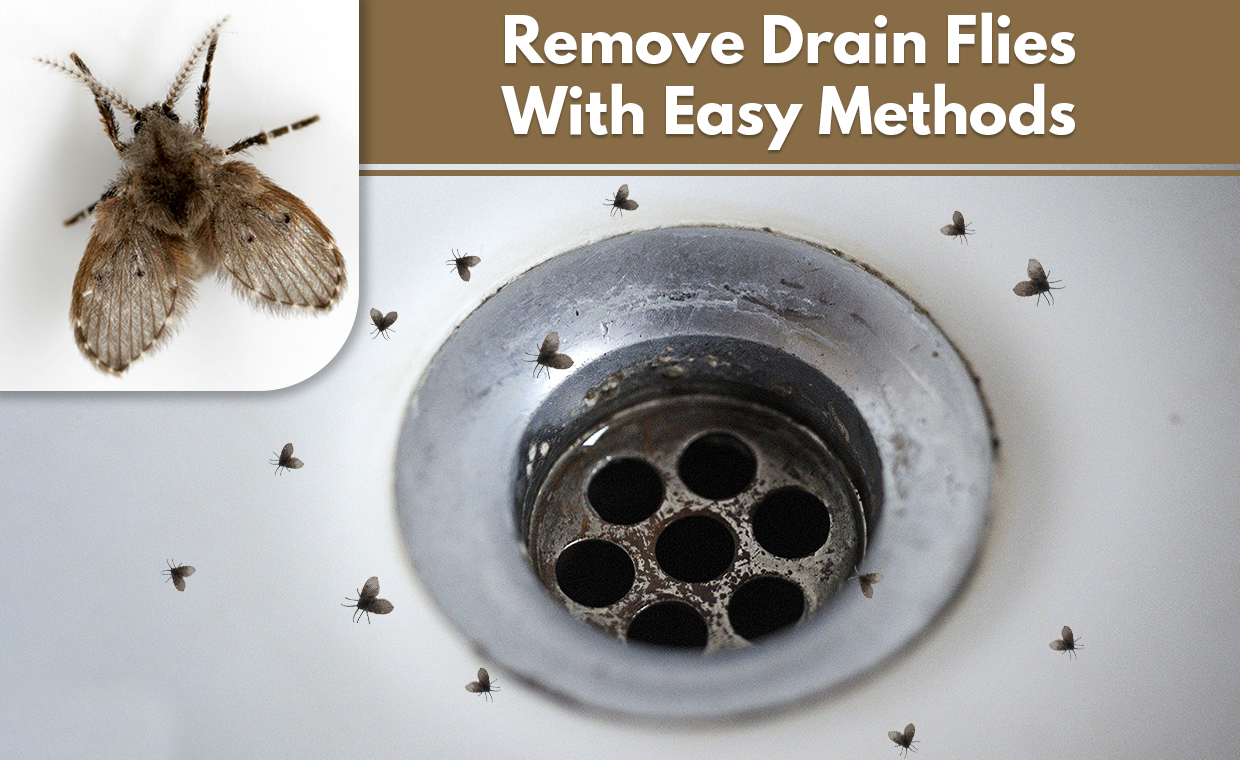
Drain flies, also known as sewer flies or moth flies, are small, fuzzy insects that thrive in damp, organic buildup. If you’ve ever found tiny moth-like flies buzzing around sinks, showers, or floor drains, you’re not alone. Understanding what causes drain flies helps you stop an infestation before it escalates. In this guide, we explore the most common culprits, the life cycle that fuels their rapid reproduction, and practical steps you can take to reclaim a clean, odor-free home. Whether you’re dealing with a lingering problem or trying to prevent one, a clear plan makes a difference. For readers who want a quick answer to the question what causes drain flies, we start with the basics and then dive into actionable cleanup strategies.
Common causes of drain fly problems
Drain flies breed in the thin film of organic matter that lines drains, pipes, and sewer lines. The most frequent sources are clogged or slow-flowing drains, damp waste areas from leaky pipes, and kitchens or bathrooms where organic debris accumulates. Overwatering houseplants can also create a moist environment that supports larvae. Another common culprit is standing water in traps or floor drains that never dry out. Even seemingly minor issues like a neglected garbage disposal, a clogged hair trap in the bathroom sink, or a backup from the municipal sewer line can provide the perfect habitat for these insects. Because drain flies are drawn to moisture and decaying organic matter, keeping drains clean and dry is essential to prevention.
Life cycle and attraction
Adult drain flies are poor fliers but are propelled by drafts near vents and windows. They live for about a week or two, but their larvae can remain hidden for longer in the gunk lining drains. The eggs hatch into tiny maggots that feed on biofilm, hair, soap scum, and other organic residues. A single damp drain with a healthy film can produce dozens of offspring in a short time, turning a minor nuisance into a full-blown problem if not addressed quickly. These flies are attracted to light and can scatter when you turn on a bathroom light, which makes thorough inspection important for locating all breeding sites.
Prevention and remediation
To prevent drain fly infestations, start by removing the root cause: scrub and flush drains with a enzymatic or enzyme-based cleaner, followed by hot water. Use a stiff drain brush to dislodge the biofilm created by larvae and adults. If the problem persists, consider pouring a diluted bleach solution down the drain for a final disinfection, but avoid mixing chemicals and always follow safety instructions. Check all potential breeding sites, including bathtub drains, sink traps, floor drains, and the overflow pan in the laundry area. Ensure traps contain water, as dry traps allow flies to pass into living spaces. Keep kitchen and bathroom areas clean, fix leaks promptly, and improve ventilation to reduce humidity. For ongoing issues, you can run a biological cleaner containing Bacillus spores, which eat organic buildup without harming plumbing or septic systems. Seal off unused drains and use mesh screens to deter egg-laying. Monitoring with cheap sticky traps or fly-catching tapes can help confirm that the problem has been eliminated. For more information, you can visit the Writinglish homepage to learn more about home maintenance and pest control: Writinglish homepage.
Taking these steps seriously reduces the risk of recurring infestations and restores comfort to living spaces. Regular maintenance, mindful waste disposal, and quick leak repairs create an environment where drain flies cannot thrive. If you still notice activity after cleaning, consult a professional to inspect sewer lines or plumbing vents. Act promptly to protect your home. Consistency is key for keeping drains consistently trouble-free.
 Admin
Admin