
When your basement flooded after heavy water damage, taking the right steps quickly can help limit structural problems, protect belongings, and reduce the risk of long-term moisture issues. Water can enter a basement through heavy rainfall, drainage problems, foundation cracks, overflowing plumbing systems, or failed sump pumps. Regardless of the cause, standing water should never be ignored.
A flooded basement can affect flooring, walls, furniture, electrical systems, insulation, and stored belongings. The longer moisture remains inside, the greater the potential for additional damage. Knowing what to do immediately can make the recovery process more organized and effective.
Prioritize Safety Before Entering the Basement
The first priority when a basement flooded is safety. Do not immediately walk through standing water to inspect the area. Floodwater may come into contact with electrical outlets, appliances, extension cords, or electrical panels, creating a serious shock hazard.
If you can safely do so without entering standing water, turn off the electricity supplying the affected area. If the electrical panel is located in the flooded basement or surrounded by water, do not attempt to access it. Instead, contact a qualified electrician or emergency professional.
Floodwater may also contain dirt, sewage, chemicals, or other contaminants. Wear appropriate protective equipment if you must enter the area after it has been determined to be safe. Children and pets should be kept away from the affected space until cleanup is complete.
Identify and Stop the Source of Water
Once the basement is safe to access, determine where the water came from. Heavy rain may have overwhelmed drainage systems, while a burst pipe or plumbing failure may continue introducing water into the property.
If the source is a plumbing problem, shut off the appropriate water supply when it is safe to do so. If water entered through doors, windows, foundation cracks, or drainage systems, temporary measures may help reduce additional water intrusion while permanent repairs are arranged.
Understanding the source is important because removing existing water without correcting the cause can result in repeated flooding. A basement should be inspected for drainage weaknesses, damaged plumbing, sump pump problems, or foundation issues before restoration is considered complete.
Remove Standing Water as Quickly as Possible
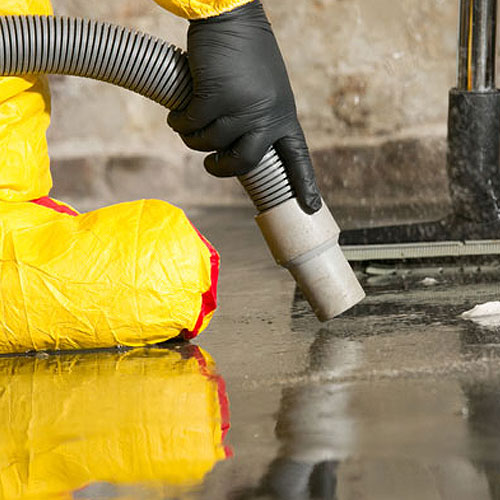
After a basement flooded, standing water should be removed promptly. The appropriate method depends on the depth and type of water involved. Pumps, wet vacuums, and other water-removal equipment may be useful for manageable situations.
However, homeowners should avoid using ordinary household vacuums to remove water. They are not designed for this purpose and can create electrical hazards.
For significant flooding, professional water removal equipment can help extract large amounts of water efficiently. Professionals may use powerful pumps and extraction machines to reduce standing water and begin the drying process.
Quick water removal can help minimize the amount of time building materials remain saturated. This is especially important for materials such as drywall, wood, insulation, and carpeting, which can retain moisture.
Move Salvageable Belongings to a Dry Area
Once the basement is safe and accessible, move furniture, boxes, appliances, and other belongings away from the affected area when possible. Items that have not been heavily damaged should be transferred to a clean, dry location.
Avoid spreading contaminated water or moisture into other areas of the property. Wet cardboard boxes, paper products, fabrics, and porous materials may require special attention because they can absorb significant amounts of water.
Some belongings may be salvageable after proper cleaning and drying, while others may need to be discarded. Photographs of damaged items can also be useful for documenting the condition of the property for insurance purposes.
Start the Drying and Dehumidification Process
Removing visible water is only one part of basement recovery. Moisture can remain inside walls, flooring, furniture, insulation, and other materials even after standing water disappears.
Air movers and dehumidifiers can help lower humidity and accelerate drying. Fans may improve air circulation, but they should only be used when electrical conditions are safe.
Moisture meters can also help identify areas that appear dry but still contain hidden moisture. This is particularly important around baseboards, flooring edges, wall cavities, and other areas where water can remain trapped.
The goal is to restore the basement to a normal, dry condition rather than simply removing visible water.
Inspect Walls, Flooring, and Structural Materials
A flooded basement should receive a careful inspection after water removal. Drywall may become swollen or weakened, while wood flooring can absorb water and change shape. Carpeting and padding may retain moisture for extended periods.
Insulation can also become saturated and may require removal depending on the extent and type of contamination. Wooden structural components should be checked for prolonged moisture exposure.
Not every damaged material needs to be replaced immediately, but materials that cannot be adequately cleaned and dried may create continuing problems. A qualified restoration professional can help determine which materials can potentially be restored and which require removal.
Address Moisture and Mold Concerns
A basement flooded by heavy water damage can create conditions favorable to mold growth if moisture is not controlled. Mold can develop on damp organic materials, especially when humidity remains elevated.
For this reason, drying should begin as soon as conditions are safe. Hidden moisture should also be investigated because simply drying the visible surface may not resolve the problem.
If mold is already visible, extensive, or associated with contaminated water, professional assessment may be appropriate. Avoid disturbing heavily affected materials unnecessarily, as this can spread particles throughout the property.
Clean and Disinfect Appropriate Surfaces
Flooded areas may require thorough cleaning after water extraction. The appropriate cleaning method depends on the source and contamination level of the water.
Clean water from a broken supply line may require different treatment from water that entered from outside or came from a sewage backup. Surfaces should be cleaned using methods and products appropriate for their material.
Porous items that have absorbed contaminated water may not always be suitable for simple surface cleaning. Professional restoration specialists can assess heavily affected materials and determine appropriate cleaning or disposal methods.
Check the Basement for Future Protection
Once immediate restoration is complete, investigate why the basement flooded in the first place. Preventive improvements can reduce the possibility of another major incident.
Potential areas to inspect include gutters, downspouts, exterior drainage, sump pumps, foundation walls, window wells, plumbing connections, and grading around the property. Downspouts should direct rainwater away from the foundation rather than allowing it to collect near basement walls.
If a sump pump was involved, check whether it is functioning correctly and consider whether a backup pump or backup power source would provide additional protection.
Document the Damage and Restoration Process
Keep detailed records throughout the recovery process. Take photographs and videos before moving or disposing of damaged belongings whenever it is safe to do so.
Record damaged materials, furniture, appliances, and other property. Keep receipts and invoices related to emergency services, repairs, cleaning, replacement materials, and restoration work.
If you have property insurance, contact your insurer promptly and follow its documentation requirements. Insurance coverage varies by policy, so avoid assuming that every type of flood or water damage will be covered.
Know When Professional Help Is Necessary
Some basement flooding incidents can be managed with basic cleanup, but extensive water damage may require professional restoration services. Professional assistance is especially important when water is deep, contamination is suspected, electrical systems are affected, structural materials are damaged, or moisture has spread into walls and flooring.
Professionals can assess the affected areas, remove standing water, dry materials, monitor moisture levels, clean damaged surfaces, and identify areas that may need additional restoration.
Conclusion
When your basement flooded after heavy water damage, acting quickly and carefully can help reduce the impact on your property. Begin with safety, identify the water source, remove standing water, move salvageable belongings, and start controlled drying as soon as possible.
A thorough inspection should follow water removal to identify hidden moisture and damaged materials. Cleaning, drying, documentation, and repairs are all important parts of the recovery process. Finally, addressing drainage, plumbing, sump pump, and foundation issues can help protect the basement from future water damage.
With prompt action and appropriate restoration methods, a heavily affected basement can move from a stressful emergency toward a safer, cleaner, and more functional part of the property.